
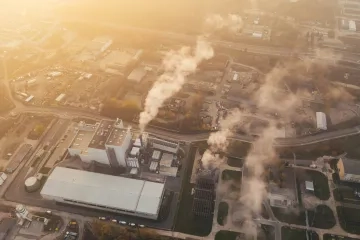
This course provides an overview of implementing Annex C of the Stockholm Convention and its guidance on Best Available Techniques (BAT) and Best Environmental Practices (BEP) to reduce and eliminate unintentional persistent organic pollutants (UPOPs) through safer alternatives and minimized releases into the environment.
The course is structured into five sections:
- Introduction: Annex C of the Stockholm Convention (BAT and BEP)
- Cement kilns
- Open burning
- Thermal processes in the metallurgical industry
- Waste incinerators
Each section offers an overview of the industrial processes, sources of UPOPs emissions and recommendations for applying BATs and BEPs. Real-world examples, such as in Armenia and Türkiye, demonstrate global effort to minimize the impacts of these harmful pollutants.
Target audience
- Stockholm Convention Official Contact Points and National Focal Points, particularly from project countries
- National officials and experts involved in the process of reviewing and updating the NIPs
- National officials and experts involved in hazardous chemicals and waste management
- Members of NIP National Coordinating Mechanism/Committees and Project Coordination Units/Thematic Task Groups
- Representatives of regional centres
- Other stakeholders
As part of the GEF-funded and UNEP-led “Global Development, Review and Update of NIPs under the Stockholm Convention on POPs” project, the Green Growth Knowledge Partnership (GGKP) is executing Component 4, focused on disseminating information, managing knowledge and coordinating with the Stockholm Convention Secretariat to provide accessible, integrated tools and resources for all Parties.