

This case study reflects on a WWF Green Economy Modelling report conducted in 2013 ‘Green Economy Modelling of Ecosystem Services in the Dawna Tenasserim Landscape (DTL) along the ‘Road to Dawei’, which looked specifically at the sustainable transport infrastructure options within this landscape which straddles both Thailand and Myanmar. The case study provides a summary of the analysis and results from the report, including the projections generated up to 2035 that analyze the short, medium and longer-term consequences of road construction and from these, how a green economy approach over a business as usual approach is not only the most sustainable choice, but also the more economical choice in the long term, that helps healthy economies and societies to grow.

In November 2012 General Motors (GM) opened its new GM China Advanced Technical Center in Shanghai, as part of its global network of Research and Development (R&D) labs. This new research centre employs 300 scientists to conduct research on lightweight materials and battery cells for the development of hybrid, plug-in hybrid, and electric vehicles, such as the new ENV 2.0.
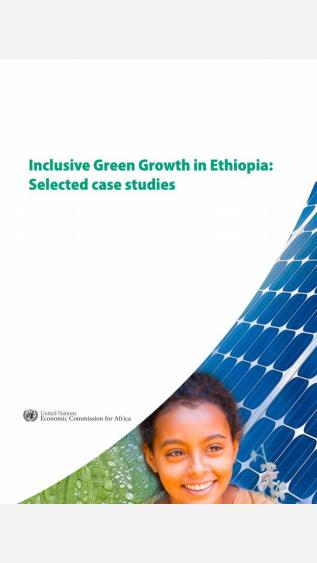
In the present report, good practices and lessons learned on inclusive green growth in selected sectors of the Ethiopian economy are documented.
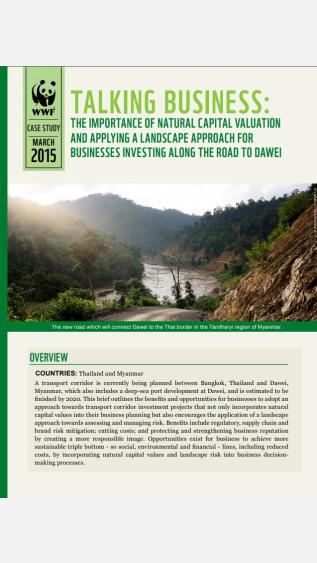
This brief outlines the benefits and opportunities for businesses to adopt an approach towards transport corridor investment projects that not only incorporates natural capital values into their business planning but also encourages the application of a landscape approach towards assessing and managing risk.
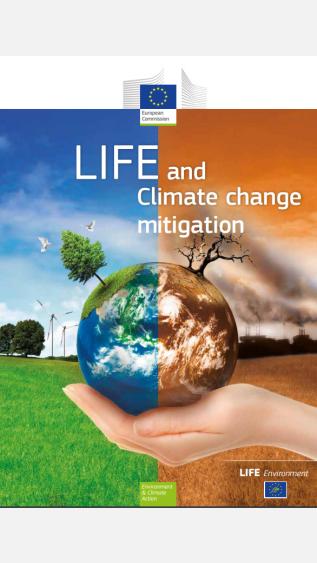
This report LIFE and Climate Change Mitigation contains information on climate change mitigation projects supported by LIFE in different sectors including: energy, transport, agriculture amd forestry, peatlands and wetlands and enterprises, as well as a section on local and national action.
Green growth and transport combines several different concepts that are central to sustainable mobility, including sustainable economic activity, reduced environmental impact and sustained growth in high quality jobs. It attempts to balance the importance of economic growth, with environmental damage and social priorities through assessing positive actions that can be taken by a wide variety of public and private stakeholders. It has arisen out of the concern over the use of non-renewable resources in transport, increasing emissions of carbon and other pollutants, and the expected levels of growth in mobility over the next 40 years. But it also acknowledges the importance of transport to the economy, and its role in helping to create jobs, improving levels of productivity and output, and in promoting agglomeration benefits. This means that transport should be efficient, but at the same time make less demand on the environment through less use of resources, through recycling and reuse of materials, and through embracing a life cycle perspective.