
This study investigates whether the COVID-19 pandemic can be an opportunity to bring the air transport sector on a reliable low-carbon trajectory, with a starting point in the observed reduction in air transport demand, by using a COVID-19 recovery model.
This report analyses planned infrastructure projects, decision-making frameworks related to infrastructure development and strategic planning documents in the six countries of the EU Eastern Partnership: Armenia, Azerbaijan, Belarus, Georgia, Moldova and Ukraine.
This report describes an integrated and multi-sectoral blue economy strategy as the key to improving marine and coastal activities, equal opportunities, and livelihoods in Indonesia.
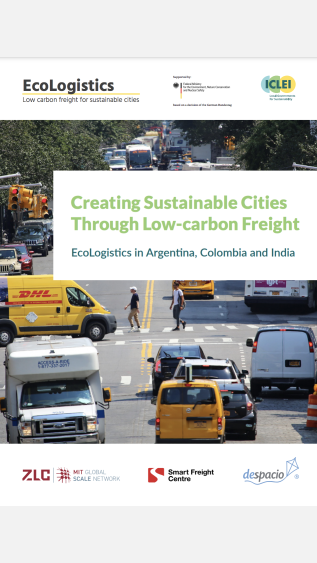
The purpose of this report is to review existing urban freight movement characteristics across the nine EcoLogistics project cities in Argentina, Colombia and India, provide an account of baseline GHG emissions (2019) from urban freight and identify possible interventions to minimise its negative impacts.
National governments can spur COVID-19 recovery, achieve shared prosperity and drive climate action through national policies and targeted investments to decarbonise cities and make them more resilient. This report shows the power of urban transformation and the many ways to achieve it by looking up close at six major emerging economies: China, India, Indonesia, Brazil, Mexico and South Africa.
On 3-5 Feb 2021, World Resources Institute (WRI) and World Bank Group are co-hosting a virtual event "Transforming Transportation 2021: Reimagining Safe And Resilient Mobility For Recovery".