

In this #GGKPwebinar, experts from the Ellen MacArthur Foundation, International Resource Panel, World Economic Forum, United Nations Environment Programme and the private sector talk through new material efficiency strategies for the housing and mobility sectors.
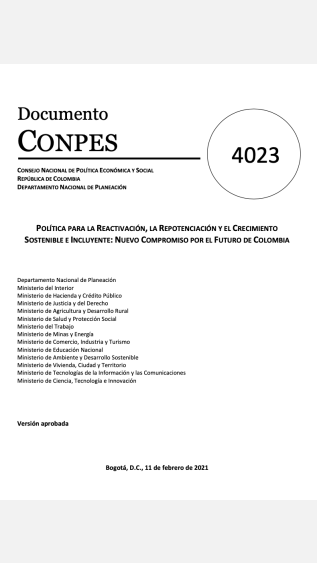
Colombia's National Policy on Sustainable Recovery (CONPES No. 4023) combines two dynamics of economic recovery to face the crisis generated by the COVID-19 pandemic: (i) a budget effort to allocate resources that activate growth throughout the national territory, and: (ii) a set of actions defined to ensure that growth is sustainable and inclusive in the long term. It covers a wide range of sectors, including housing, transport, education, mining and energy, social inclusion, and agriculture.
This report introduces the concept of a Zero-Emissions Delivery Zone (ZED Zone), a new innovative financing model that can accelerate commercial vehicle electrification, while delivering substantial financial, social and environmental returns for forward-thinking investors.
The Rising Tide report maps the current state of ocean finance revealing trends in lending, underwriting and investment activities which impact the ocean. It reveals the frameworks and financial instruments that are successfully addressing ocean sustainability and highlights new opportunities and gaps in the market. It looks across five major ocean-linked sectors chosen for their established connection with private finance: seafood, ports, maritime transport, coastal and marine tourism and marine renewable energy.
This forward-thinking report builds on the United Nations’ Sustainable Blue Economy Finance Principles.
A world-first, the United Nations’ Sustainable Blue Economy Finance Principles remain a keystone in the market, designed for financiers to align their activities with Sustainable Development Goal 14, ‘life below water’. By following these Principles, and building sustainable blue practices into their decision-making processes, the financial sector has a unique opportunity and a clear imperative to steer the ocean economy towards sustainability.
This paper offers recommendations for pathways for a more inclusive, environmentally sustainable and resilient COVID-19 recovery, as well as basic guidance to UN Resident Coordinators, Country Teams and other partners working on recovery plans and assessments of the socio-economic impacts of the pandemic
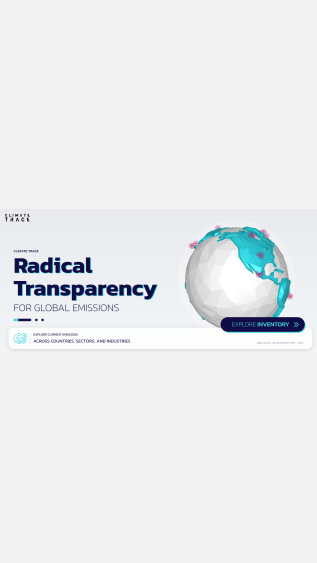
Climate TRACE is a platform for the collection and sharing of greenhouse gas emissions from human activities to facilitate climate action.