

This report captures lessons learned through PEI experience over its 13 years of existence and is divided into three main sections: Overview: PEI 2005–2018 briefly reviews PEI’s conceptual and programmatic approach to poverty-environment mainstreaming Looking Back synthesizes 10 lessons learned and good practice from PEI country-level experience in mainstreaming poverty-environment objectives into national, sectoral and subnational development planning, implementation and monitoring systems and processes Looking Ahead provides a snapshot of how the integrated approaches, tools and lessons from PEI experience can be leveraged to help strengthen and accelerate national SDG implementation, including through the successor to PEI, the new joint UNDP–UNEP programme Poverty-Environment Action for Sustainable Development Goals (2018–2022).
This policy brief elaborates on strategies to bridge the funding gaps between Indonesia's required annual budget, and the allocated resources to achieve its climate goals.
This interactive and practice-oriented course which is held over two days covers the basics of Sustainable Finance while providing several opportunities to dive deeper. It shares valuable insights of the Strategic Alliance of GIZ and SEB and the technical partner CICERO, gained during activities in emerging economies and interactions with market participants worldwide.
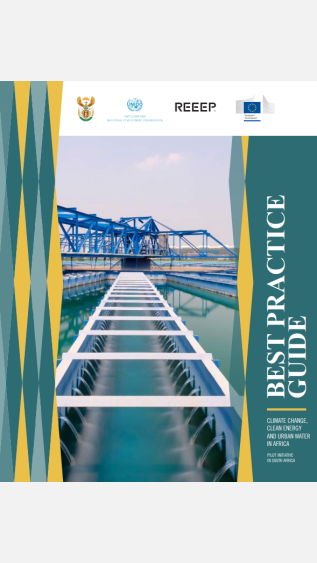
The Best Practice Guide for Clean Energy Solutions in Municipal Water Infrastructure intends to assist municipalities in the implementation of cleaner energy technologies and services at their waterworks by suggesting the key elements that municipal officials need to consider to implement a cleaner energy project.
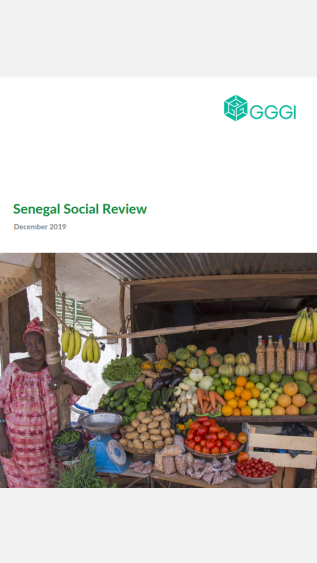
The Senegal Social Review provides an overview of the legal and policy framework for Senegal around gender-responsiveness and socially inclusive approaches to achieve the contribution towards Sustainable Development Goals (SDGs) and its Nationally Determined Contribution (NDC).
This report analyses planned infrastructure projects, decision-making frameworks related to infrastructure development, and strategic planning documents in eight countries in Central Asia and the Caucasus: Azerbaijan, Georgia, Kazakhstan, the Kyrgyz Republic, Mongolia, Tajikistan, Turkmenistan, and Uzbekistan.