
This IMF's How To Note on public investment outlines the key components for designing and managing public investment to ensure smart and fair, but also greener recovery from COVID-19.

This report examines critical policy gaps and barriers to climate finance, such as constrained fiscal space, weak institutional capacities to implement nationally determined contributions, policy and regulatory gaps, and lack of investment-ready projects.
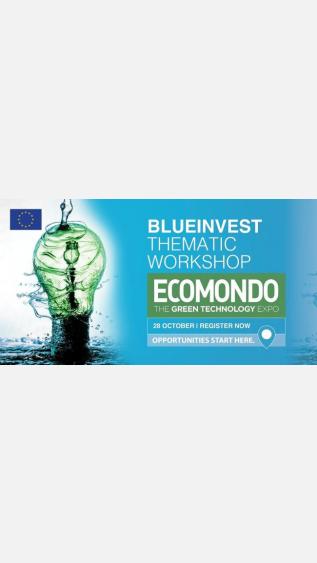
On 28 October 2021, the European Cluster Collaboration Platform is hosting a BlueInvest thematic workshop to boost innovation and investment in sustainable technologies for the blue economy.

If the linear “take-make-waste” model continues to be the modus operandi for Indonesian businesses, the country is poised to produce a staggering amount of 155.3 million tonnes of waste collectively from five industries — food and beverage, textiles, wholesale retail and trade, construction, and electronics — by 2030 according to a recent report by the Ministry of National Planning and Development Indonesia (BAPPENAS), UNDP, and the Government of Demark.

In a country struggling with national debt and unemployment, the COVID-19 pandemic has had a significant impact. In these difficult times, who will support sustainable enterprises threatened by the consequences of national lockdowns? Argentinian lawyer Juan Erdocia addresses the important issue of leveraging private investment for sustainable initiatives. He tells us about the difficulties that two local initiatives from Buenos Aires have faced as a result of the pandemic and how they found financial support.
This report provides an overview of existing adaptation finance flows in Africa and identifies opportunities to increase the volume and efficacy of that finance.