

On 11 February 2021 at 01:00 (CET), the CDP Hong Kong is hosting a webinar on "Ambitions for a net-zero future: from compliance to environmental leadership in New Zealand".
On 9 February 2021 at 01:00 (CET), the CDP Hong Kong is hosting a webinar on "Ambitions for a net-zero future: roadmaps to a carbon neutral Australia".
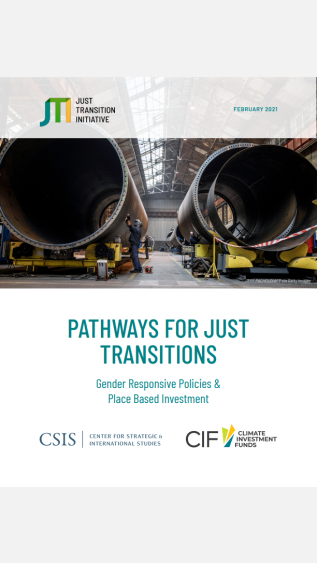
This paper summarizes several policy tools that can support socially inclusive processes and equitable distribution of the risks and benefits associated with just transitions.
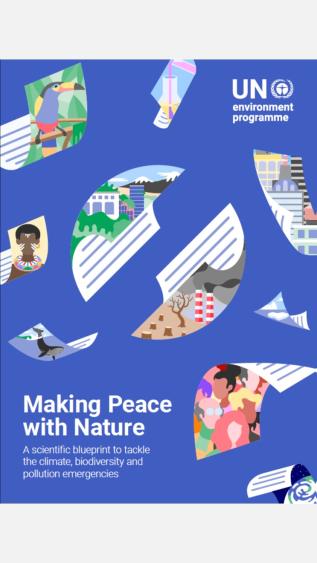
The report communicates how climate change, biodiversity loss, and pollution can be tackled jointly within the framework of the Sustainable Development Goals. It serves to translate the current state of scientific knowledge into crisp, clear, and digestible facts-based messages that the world can relate to and follow up on.
In 2020, PEA continued to deliver on its objective of strengthening the integration of poverty-environment-climate objectives into policies, plans, regulations and investments of partner countries to accelerate delivery of the 2030 Agenda and the Sustainable Development Goals (SDGs). Notable achievements include 76 planning frameworks, legislation and regulations that integrate the poverty-environment nexus developed in eight countries; 7 government-led intersectoral coordination mechanisms established and supported that promote coherence of planning, frameworks, legislation and regulations; environmental, social and economic data collected, analysed and reported in five countries, ensuring a poverty-environment nexus perspective through national development and SDG monitoring systems; 18 guidelines and tools developed to manage private sector investment decisions that facilitate or prioritize quality investments; and 2 regional and global PEA partner programmes and agencies applying an integrated mainstreaming approach. The year also marked the start of three new strategic partnerships through technical assistance at the regional level: with the Asian Development Bank, GIZ and UN Women.
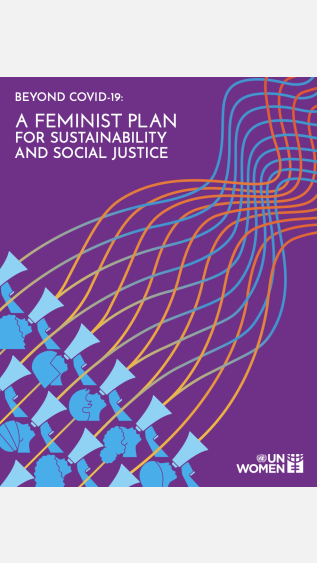
This report provides a roadmap that puts gender equality, social justice and sustainability at the centre of COVID-19 recovery and transformation.