
While the social and economic effects of COVID-19 are likely to last for many years, careful recovery planning can mitigate negative long-term impacts. For Indonesia, reassessing its reliance on coal for electricity would be an important step in the country’s green recovery.
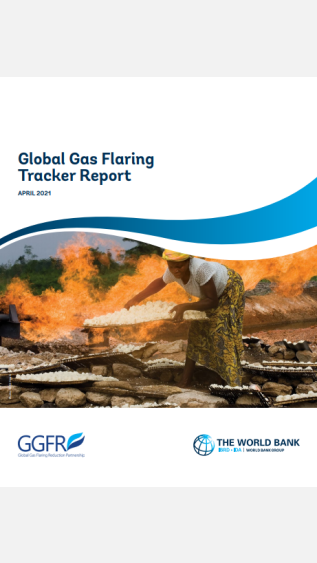
The World Bank’s 2020 Global Gas Flaring Tracker, a leading global and independent indicator of gas flaring, found that from 2019 to 2020, oil production declined by 8 percent, while gas flaring dropped by 5 percent. While these seven countries have together produced some 40 percent of the world’s oil each year, they have also accounted for roughly two-thirds (65 percent) of global gas flaring. This trend is indicative of ongoing, though differing, challenges facing these countries.
The Just Energy Policies and Practices Action Toolkit includes 8 modules of practical, user-friendly guidance on how to phase out toxic energy like coal, nuclear, and oil facilities and bring in clean energy like wind and solar.

This report lays out the latest physical science of climate change and what it means for all countries, but especially Australia, during this crucial year for advancing international cooperation.
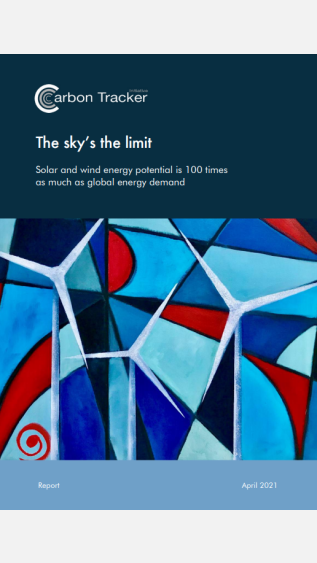
Solar and wind potential is far higher than that of fossil fuels and can meet global energy demand many times over, unlocking huge benefits for society. With current technology and in a subset of available locations we can capture at least 6,700 PWh p.a. from solar and wind, which is more than 100 times global energy demand.
This report explores the impacts of climate related events on electricity needs, whether decentralized solar solutions consider climate change in the lifecycle of the installation, and if not, then what factors need to be considered.