
Colombia's National Policy on Sustainable Recovery (CONPES No. 4023) combines two dynamics of economic recovery to face the crisis generated by the COVID-19 pandemic: (i) a budget effort to allocate resources that activate growth throughout the national territory, and: (ii) a set of actions defined to ensure that growth is sustainable and inclusive in the long term. It covers a wide range of sectors, including housing, transport, education, mining and energy, social inclusion, and agriculture.
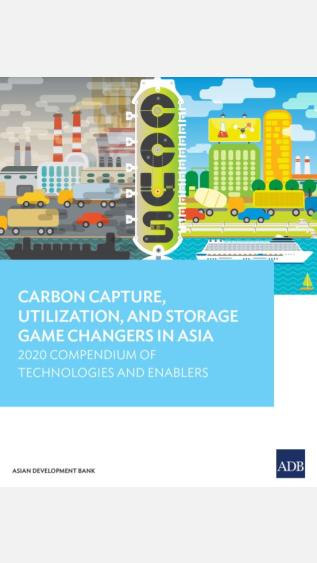
This compendium showcases new and innovative low carbon technologies that have potential to be deployed in Asia and the Pacific. The compendium aims to contribute to low carbon development in the region by promoting further research, innovation, and investment in emerging technologies.

The report communicates how climate change, biodiversity loss, and pollution can be tackled jointly within the framework of the Sustainable Development Goals. It serves to translate the current state of scientific knowledge into crisp, clear, and digestible facts-based messages that the world can relate to and follow up on.

The India Energy Outlook 2021 is a new special report from the International Energy Agency’s World Energy Outlook series. The report explores the opportunities and challenges ahead for India as it seeks to ensure reliable, affordable and sustainable energy to a growing population.
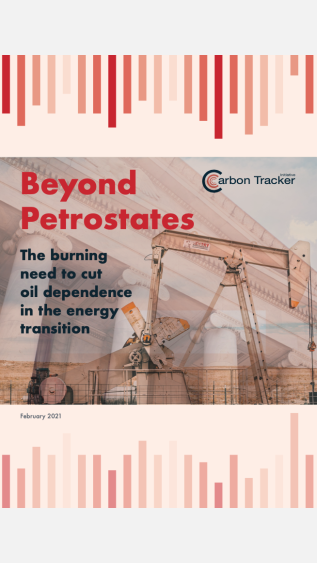
This report focuses on the 40 countries with the greatest fiscal dependence on oil and gas revenues – the petrostates. These are the most oil and gas-reliant countries (as a % of GDP) and are predominantly in the Middle East, North and West Africa, and South America.

This brief presents how – in multiple critical economic sectors or systems (buildings, appliances, urban environments, cold chains, and R&D) – national governments can reorient public policy and include cooling in their recovery packages. This would support efforts to halt the pandemic, spur economic recovery, create and protect jobs for vulnerable populations, help strengthen resilience, and accelerate the transition to efficient, climate‐friendly cooling technologies and solutions.