
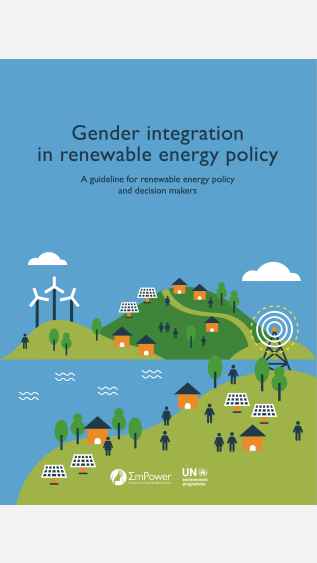
This guide aims to introduce and improve the integration of gender issues in renewable energy policies, plans and strategies.
Water, energy, and food are necessary resources for wellbeing and economic development. The physical and economic access to these resources in most Sub-Saharan countries remains very low while the outbreak of COVID-19 is projected to worsen the situation.
Therefore, this study aims to assess the impacts of COVID-19 on the access to water, energy, and food as well as to identify innovations in water sanitation and hygiene (WASH) practices and examine the current policy interventions in Nigeria, Uganda, and Tanzania.
An online survey through a Google Forms sampling 842 respondents was adopted and responses were analyzed. Results indicate that there is an insignificant correlation of COVID-19 with water and energy access in all the three countries. However, there is a significant relationship with food access in all the three countries though still minimal in Tanzania. Interestingly, there is an improvement in WASH due to increased local innovations and continued mass sensitization. The study highly recommends policies that could improve affordability and encourage innovations in the factors studied.

There are several mechanisms that promote the funding of renewable energy (RE) and energy efficiency (EE) solutions. Following discussions with various financiers (commercial, alternative, developmental and governmental), this guideline unpacks the elements and factors considered by funders of RE and EE projects in South Africa.
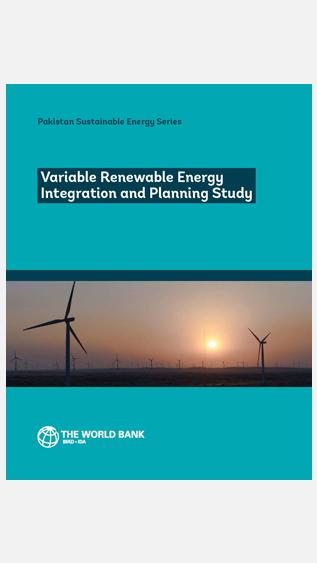
This report is intended to answer the following critical questions for the future planning of the Pakistan electricity sector: What is the optimal energy mix over the next 10 to 20 years when considering economic, technical, and environmental factors? What are the implications for the basket cost of power, energy security, and greenhouse gas (GHG) emissions? Can the Pakistan electricity system handle much higher penetrations of variable renewable energy (VRE) such as solar and wind?...
The purpose of this guide is to raise awareness of behavioural approaches to achieving development outcomes, demonstrate the role that behavioural sciences can play in promoting energy efficiency, and provide guidance on how to integrate behaviour change approaches into projects.