
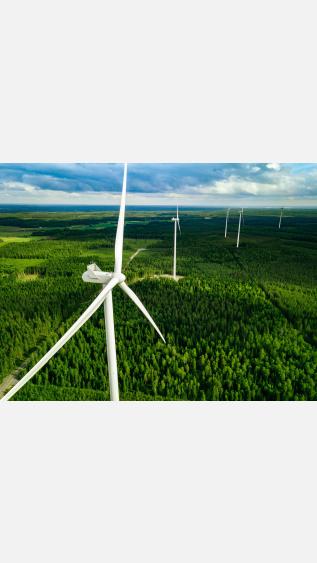
On 16 September 2020 at 10am (EDT), Climate Investment Platform will host a high-level discussion on how the Platform is facilitating the energy transition for a green recovery through new climate finance mechanisms.

Every drop of water is precious in western Rajasthan. This sun-baked swathe of arid land is dotted with ‘dhanis’, or small settlements comprising of 50-100 people and a few thousand of their domesticated animals. Remote villages such as Kisangarh and Girduwala, located close to the India-Pakistan border are a part of the Thar desert ecosystem, characterized by sandy plain and dune landscape interspersed with grasses and hardy bushes such as ‘aakdo’ and ‘thor’. This region receives less than 100-200 mm rainfall in a good year and depends solely on groundwater for sustenance.

Women herding goats in Girduwala. Photo by Namrata Ginoya/WRI India
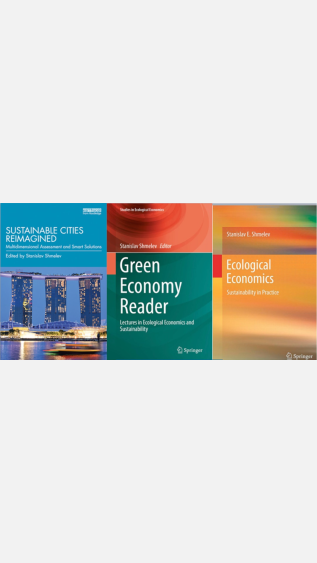
Environment Europe is launching a new online course in Ecological Economics and Sustainability that covers the intellectual roots of ecological economics and a systemic vision of ecology-environment interactions, among others.

With its aim of ensuring resilience through a secure and sustainable supply of critical raw materials, this Communication can make a major contribution to the recovery and the long-term transformation of the economy.
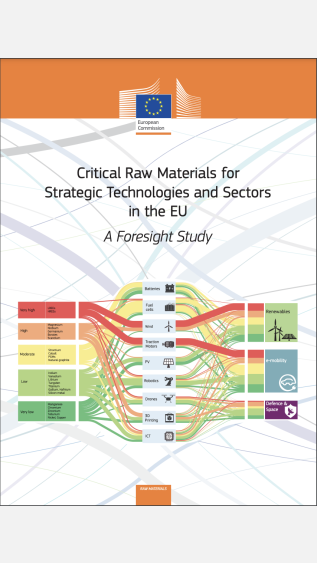
This study looks at the supply chains of nine technologies used in the three strategic sectors renewable energy, e-mobility, defence and aerospace. It also attempts to provide a first answer, based on available knowledge and models, to where future challenges lie and how competition for resources may evolve.
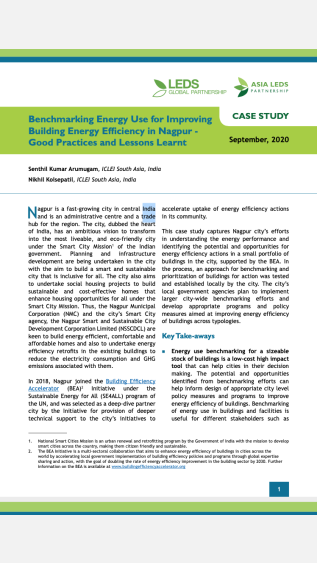
This case study captures Nagpur city’s efforts in understanding the energy performance and identifying the potential and opportunities for energy efficiency actions. An approach for benchmarking and prioritization of buildings for action was tested and established by the city.