
Just like the widespread industrial shutdowns of the Great Depression, the COVID-19 economic crisis has left industrial companies reeling. Auto manufacturing plants are lying idle and demand for crude oil, copper, iron ore, and other industrial commodities is grinding to a halt. However, the biggest difference today is that we are also facing an unprecedented climate crisis.

The $8.5 billion Climate Investment Funds (CIF), among the world’s largest and most experienced climate funds, has approved a financial package of $28 million to support sustainable energy development in Zanzibar.
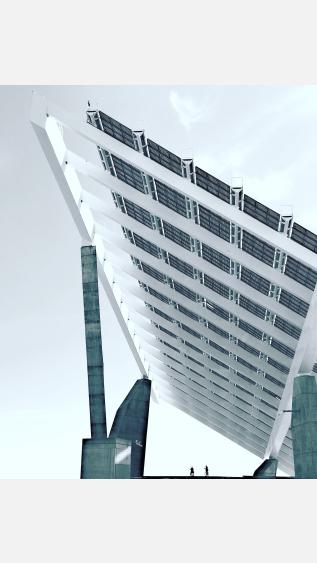
The International Solar Energy Society (ISES) is calling for keynote speakers for the ISES EuroSun 2020, 13th International Conference on Solar Energy for Buildings and Industry, 01–04 September 2020 in Athens, Greece.

"With the pandemic potentially triggering a global economic slowdown, leaders are already looking for ways to shore up their countries’ economies. The approaches they take to stimulate economic growth will have long-lasting effects, so they need to be chosen carefully," says Helen Mountford, Vice President, Climate & Economics at the World Resources Institute (WRI). "What governments should avoid is trying to boost their economies in the wake of one global health crisis by exacerbating another — namely air pollution. A stimulus package that includes ramping up fossil fuel production or use would do exactly this."

Unreliable electricity is a common challenge for healthcare centers located in rural areas. Some health centers across Asia and Africa are increasingly turning to solar power to meet basic energy needs. However, larger hospitals in remote areas, like Makunda in a remote rural area of India that often faces power outages, still hesitate to install solar panels.
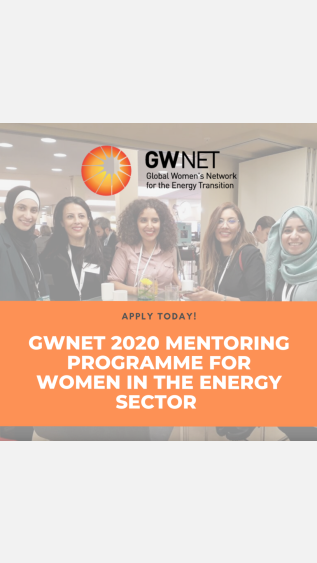
GWNET 2020 is calling for applications for mentees in its mentoring programme for women in the energy sector.