
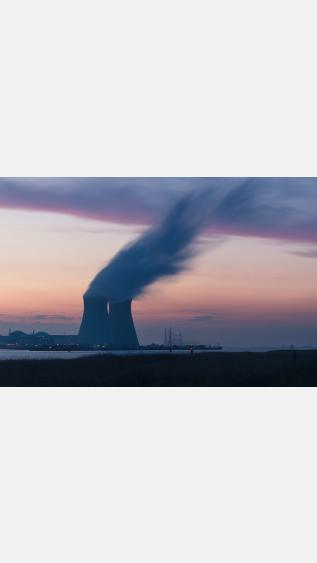
This IEA report charts a possible path for energy use and CO2 emissions in 2020. In response to the exceptional circumstances stemming from the coronavirus pandemic, the annual IEA Global Energy Review has expanded its coverage to include real-time analysis of developments to date in 2020 and possible directions for the rest of the year.
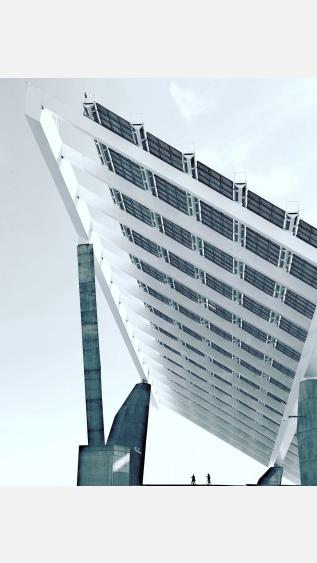
This resource examines how energy efficiency investments can boost economic growth in COVID-19 response and rebuilding efforts. It examines three categories of energy efficiency investments for governments to consider in their economic stimulus packages to either enhance existing programmes or develop new ones.
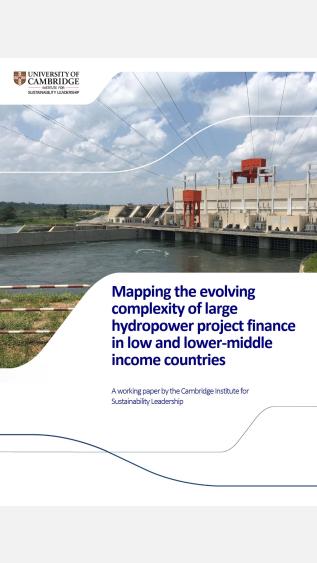
The paper, Mapping the evolving complexity of large hydropower project finance in emerging economies is the second in a series of working papers emerging from the CISL’s contribution to the FutureDAMS project, with a specific focus on the questions around sustainable finance for sustainable hydropower projects in developing countries.
This report jointly commissioned by the Green Climate Fund (GCF) and the Climate Investment Funds (CIF) shows that country-driven coordination and collaboration between funds in blending finance can lead to better development outcomes, enhanced efficiency, and increased financing in developing countries.
On 27 March 2020, GWNET, in partnership with the Clean Energy Solutions Center, will host this webinar as the fifth in a six-part series on Gender Equality for a More Rapid and Inclusive Energy Transition.

On the 24th March 2020 at 17:00 - 18:00 (CET) Ceres, the United Nations Foundation, and the United Nations Office for Partnerships are co-hosting a webinar on 'Mobilizing Finance for a Net Zero Emissions Economy'.