
This paper tracks the presence of women across the wind energy value chain.
The Global Status Report series tracks progress made towards sustainability in the buildings and construction sector. This 2019 edition shows that the sector is not on track with the level of climate action necessary. On the contrary, final energy demand in buildings in 2018 rose 1 percent from 2017, and 7 percent from 2010. It provides examples of country, city, and private sector actions as well as examples of how the buildings and construction sector is reforming. In addition, through a series of regional roadmaps, it highlights regionally appropriate actions across eight priority areas.
This report highlights the role of technology transfer in the fight against climate change. It includes best practices on energy innovation, sustainable urban development, cross-border collaboration, connecting investors with climate projects, strengthening infrastructure, and guarding coastlines.

Barcelona, Stockholm and Cologne shared results of a project that show that economic growth does not have to come at the expense of CO2 emissions reductions.
This paper explores the effective use of fiscal policies for pollution reduction.
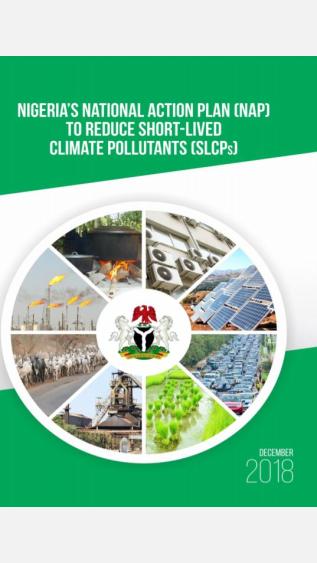
This plan, developed by the the Federal Ministry of Environment of Nigeria, aims to improve air quality and reduce Nigeria’s contribution to climate change, through 22 specific mitigation measures in 8 source sectors (transportation, cooking and lighting in households, industry, waste, oil and gas, agriculture, power and HFCs).