
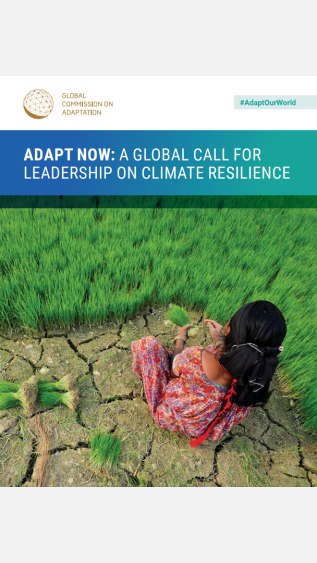
This report Adapt Now: A Global Call for Leadership on Climate Resilience focuses on making the case for climate adaptation, providing specific insights and recommendations in key sectors: food security, the natural environment, water, cities and urban areas, infrastructure, disaster risk management, and finance.
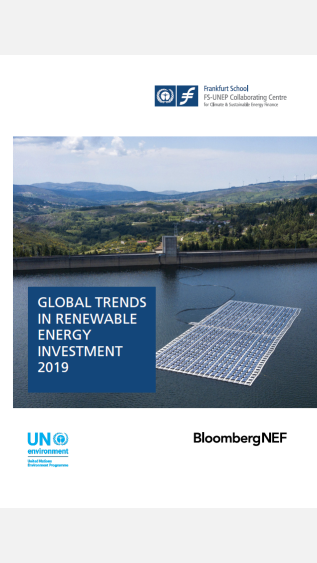
The "Global Trends in Renewable Energy Investment" report is published on an annual basis since 2007. It is commissioned by the UN Environment Programme in cooperation with Frankfurt School-UNEP Collaborating Centre for Climate & Sustainable Energy Finance and produced in collaboration with BloombergNEF.
This paper How EU Trade Policy Can Enhance Climate Action addresses the strategic need for a robust EU framework for low-carbon investment.
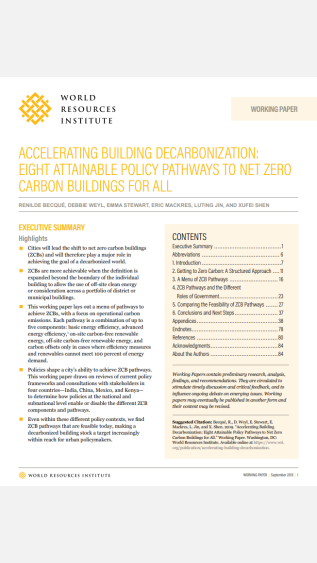
This paper responds to the global discourse around the need to decarbonize the world’s building stock by 2050 in order to meet global climate goals. It aims to provide clear, feasible policy pathways by which developing countries can achieve net zero carbon buildings (ZCBs) in their cities. The paper provides a starting point for urban decision-makers who are interested in understanding the wide range of policy options available to them.
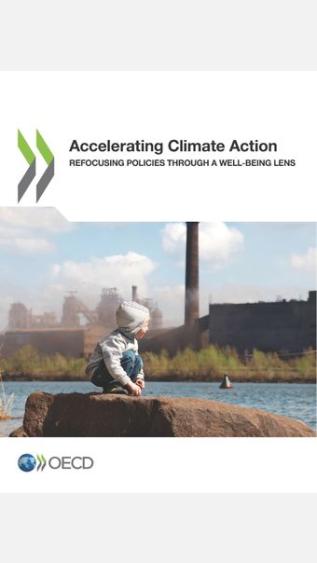
This report Accelerating Climate Action: Refocusing Policies through a Well-being Lens builds on the OECD Well-being Framework and applies a new perspective that analyses synergies and trade-offs between climate change mitigation and broader goals such as health, education, jobs, as well as wider environmental quality and the resources needed to sustain our livelihoods through time.
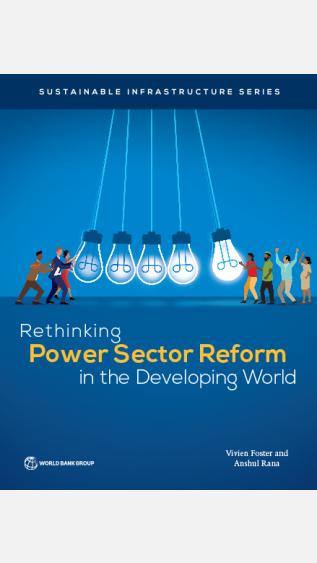
Rethinking Power Sector Reform in the Developing World presents a comprehensive picture of developing country experience with power sector reform that distills the lessons learned over the last 25 years and reflects on how recent technological trends that are disrupting the sector may call for new thinking on reform strategies.