

On 15-31 August 2019, the Environment Europe Organisation is offering an Oxford Summer School in Ecological Economics 2019. The School will address key elements of the new economy transformation, exploring the cutting edge methods and policy applications in ecological economics. The course will be composed of theoretical and applied modules and will address three key elements of the new economy transformation: an industrial ecology approach, multiple criteria methods for decision making and new tools for measuring progress.
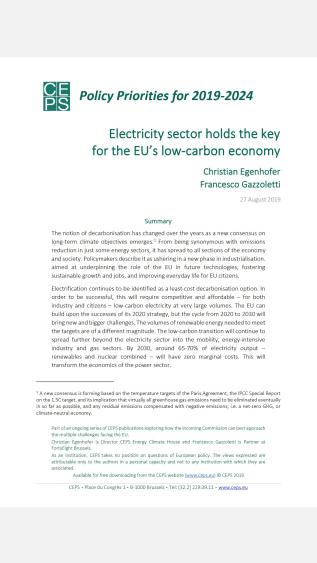
This report explores the avenues that the electrification and power sector provides for emissions reduction vis-a-vis long-term climate objectives. It discusses three key issues: price signals, cost allocation, and innovation.

This case study, From Digging to Planting: A Sustainable Economic Transition for Berau, East Kalimantan, produced as part of Project LEOPALD or Low Emissions Oil Palm Development examines whether palm oil’s potential as an economic driver will bear out for Indonesia’s goals, using Berau as an example case.
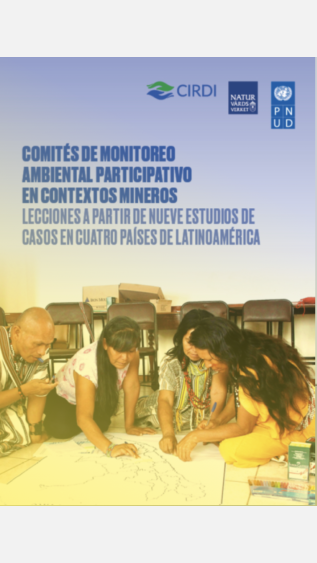
The report identifies the contexts in which Participatory Environmental Monitoring Committees have been created, their membership, and the relationships to government systems in order to prevent and mitigate environmental degradation.
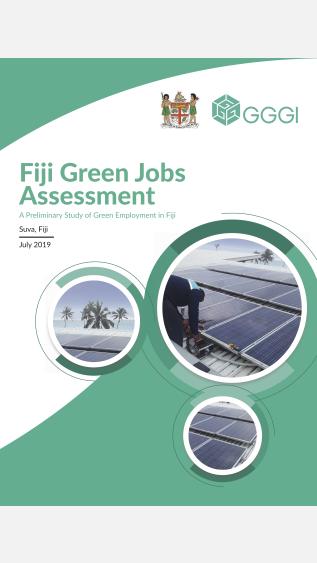
This report develops a definition of green jobs for Fiji, considers initiatives with potential for green jobs creation, estimates existing green employment, assesses the potential for additional green jobs creation, identifies major employment changes as the economy greens, and recommends how green employment can grow while minimising other job losses.
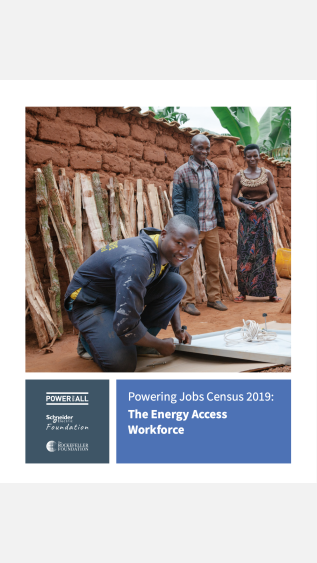
This report presents the results of the first annual jobs census for the decentralized renewable energy (DRE) sector, which includes a range of solutions that allow for the generation and distribution of clean electricity at or near end-user communities.