
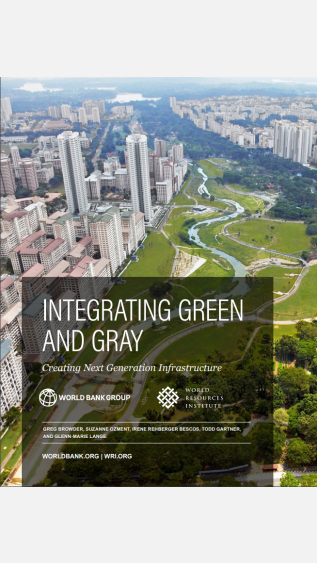
Integrating nature into mainstream infrastructure systems can produce lower cost and more resilient services. This report guides developing country service providers and their partners on how to seize this opportunity. It reviews approaches and examples of how to integrate green infrastructure into mainstream project appraisal processes and investments.
This policy brief, India's Energy Transition: The Impact of the goods and services tax on solar photovoltaic and coal power costs, assesses the impact of India's Goods and Services Tax (GST) on energy source preferences and the cost of energy production. The introduction of the GST appears to provide a relative bias in favour of coal-based power.
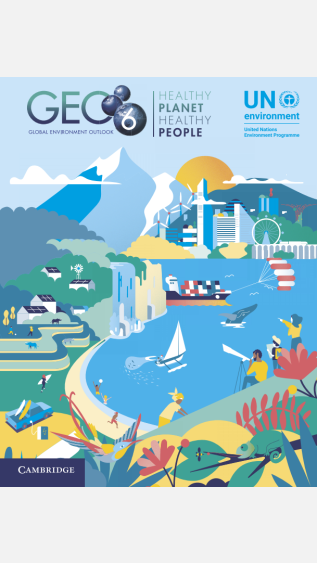
Under the theme of ‘Healthy Planet, Healthy People,’ UN Environment’s sixth Global Environment Outlook (GEO-6) presents a comprehensive assessment of the state of the global environment, covering a range of topics, issues and potential solutions with contributions from over 250 scientists and experts from more than 70 countries.
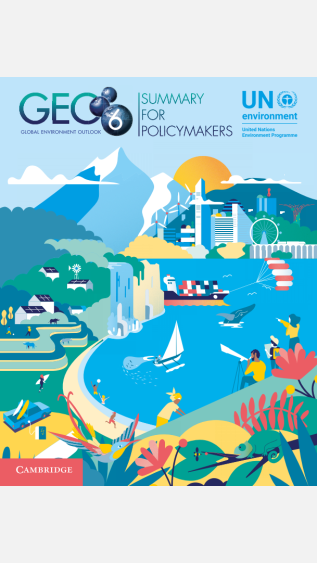
The sixth Global Environment Outlook (GEO-6), focusing on the theme “healthy planet, healthy people”, aims to help policymakers and all of society achieve the environmental dimension of the Sustainable Development Goals, internationally agreed environmental goals and the multilateral environmental agreements. It does so by assessing recent scientific information and data, analyzing current and past environmental policy, and identifying future options for achieving sustainable development by 2050.
GEO-6 builds on previous GEO reports and continues to provide an analysis of the state of the global environment, the global, regional and national policy response as well as the outlook for the foreseeable future. It differs from previous GEO reports in its emphasis on Sustainable Development Goals and in providing possible means of accelerating achievement of these goals. GEO6 is made up of four distinct but closely linked parts.
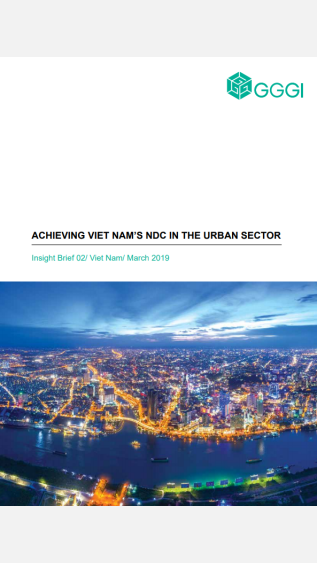
To support Ministry of Construction (MOC) to implement the NDC, the Global Green Growth Institute (GGGI) has conducted an assessment of the potential green city actions that would help achieve Viet Nam’s NDC commitments. This paper, Achieving Viet Nam’s NDC in the Urban Sector, outlines the findings from the assessment in two sectors contributing the majority of urban GHG emissions: waste and energy.
This interagency statement issued jointly by seven UN agencies calls upon all stakeholders involved in the infrastructure lifecycle to support an integrated approach to the development of sustainable and resilient infrastructure to accelerate the SDGs and 2030 Agenda.