
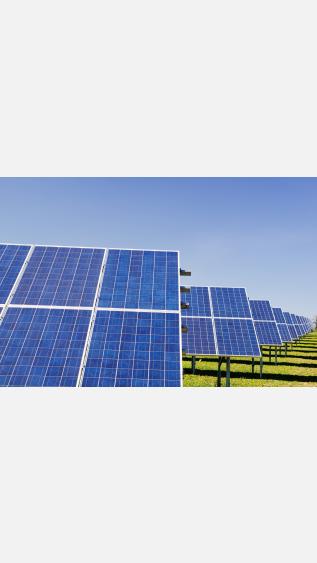
On 8 November 2018 (15:00 - 16:00 CET) the International Solar Energy Society (ISES) is holding a webinar on "Powering the Renewables: Women in Solar Energy".
This report, and accompanying interactive portal, track the economic and financial risks of coal power at the asset-level throughout the world. They conclude that the risk of coal power is increasing and profitability is decreasing.
While the Group of 20 (G20) governments continue to subsidize and support the production and consumption of fossil-fuel-based electricity, some G20 governments have made progress in shifting at least some support away from fossil fuels and increasing taxation of fossil fuels. This working paper brings together examples illustrating how reforms can be enabled and implemented to align the flows of public money with the Paris Agreement and Sustainable Development Goals (SDGs).
This report lays out an agenda to enable societies around the world to undertake the kind of systemic actions that the transformation towards a low-emission, resilient future will require. It highlights 6 transformative areas and 20 actions that are key to aligning financial flows with climate and development goals in the areas of planning, innovation, public budgeting, financial systems, development finance and cities.
This study assesses the expected incidence of moderate carbon price increases for different income groups in 87 mostly low- and middle-income countries.
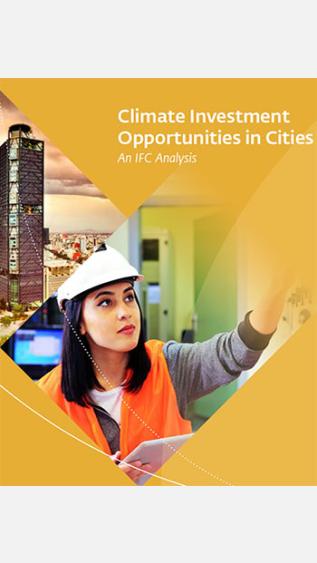
This report provides investment potential estimates across six key sectors (waste, renewable energy, public transportation, water, electric vehicles, and green buildings). Sector-specific investment potentials are estimated at the global and regional levels. The report also addresses urban resilience, financing solutions, and includes six deep dives into specific cities – one from each region – representing various sizes and stages of development: