
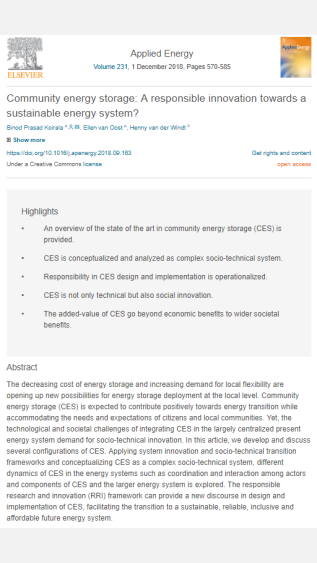
The decreasing cost of energy storage and increasing demand for local flexibility are opening up new possibilities for energy storage deployment at the local level. Community energy storage (CES) is expected to contribute positively towards energy transition while accommodating the needs and expectations of citizens and local communities. Yet, the technological and societal challenges of integrating CES in the largely centralized present energy system demand for socio-technical innovation. In this article, we develop and discuss several configurations of CES.
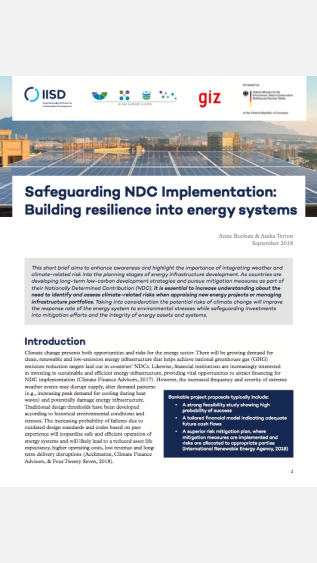
This brief aims to enhance awareness and highlight the importance of integrating weather and climate-related risks into the planning stages of energy infrastructure development. As countries are developing long-term low-carbon development strategies and pursue mitigation measures as part of their Nationally Determined Contribution (NDC), it is essential to increase understanding about the need to identify and assess climate-related risks when appraising new energy projects or managing infrastructure portfolios.

The Role of Sustainability-oriented Social Enterprises in Boosting Green Livelihoods and Business Opportunities in Rural Contexts reviews the cases of capacity building and knowledge improvement of rural livelihood in rural communities related to sustainable and low-carbon solutions. The reviewed sub-cases show that implementation of local integrated systems of solutions addressing energy, water, shelter and other livelihood needs at community level require paying major attention to enabling social processes and organisational capacities rather than only focusing on a given technological innovation.
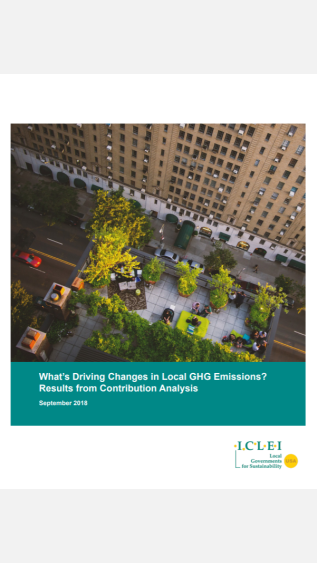
What is Driving Changes in Local GHG Emissions?: Results from contribution analysis presents results from applying a new technique called Contribution Analysis to three sets of local community greenhouse gas (GHG) inventory data in the US.
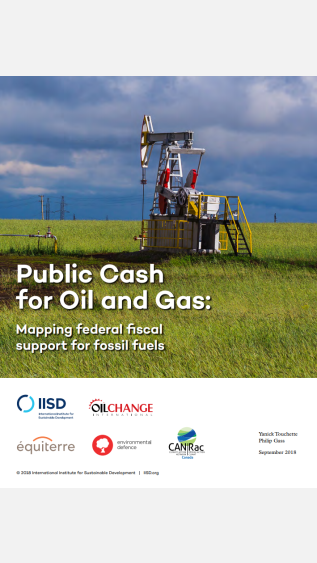
Canada is still the largest provider of subsidies to oil and gas production in the G7 per unit of GDP. This briefing spotlights the remaining subsidies to oil and gas production in Canada, focusing on two specific types of subsidies: direct transfers and fiscal exemptions made available to fossil fuel extraction and production.

This case study Fly Ash Bricks: Brick production using fly-ash from thermal power plants in India shows how a green business initiative can be a win-win for power plant operators, the environment and local communities.