
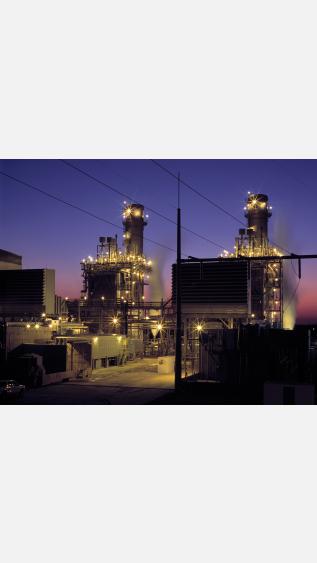
On 13 April 2018 (2:30 PM CEST), the OECD Nuclear Energy Agency (NEA) is holding a webinar on "The Full Costs of Electricity Provision".
Project Drawdown brought together a qualified and diverse group of researchers to identify, research and model the most substantive, existing solutions to address climate change and achieve the Sustainable Development Goals (SDGs). These range from bioplastics to artificial leafs to building automation, clean cookstoves, coastal wetlands, living buildings, cows walking on beaches, and more.
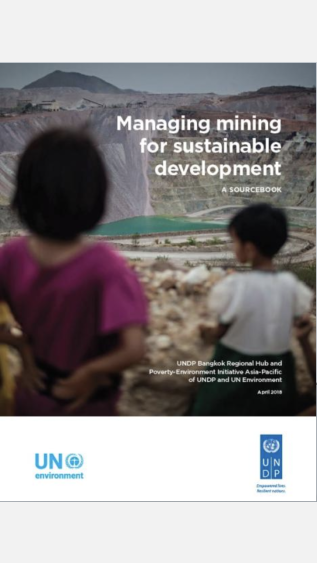
The premise of this sourcebook is that it is within the power of governments of resource-rich countries to protect people and the environment and to realize the benefits from mining, working alongside the mining industry and local communities.
This case study exhibits the compilation of experimental Indonesia energy flow accounts, which are intended to broaden the coverage of accounts in Sisnerling (Indonesian Integrated System of Economic and Environment Accounts). This report contains various accounts describing the supply and use of energy by the environment and economic units as well as air emissions released to the environment as a result of energy use activities.
As currently constituted, the price of electricity in today's markets does not accurately reflect the costs of electricity on the society and the environment. Adopting approaches suggested in this paper would allow policy makers and the public to make better informed decisions along the path towards fully sustainable electricity systems.
It is becoming increasingly clear that fossil fuels impose a high price on society through local environmental pollution and Africa’s particular vulnerability to climate change. By comparing results from state-of-the-art Integrated Assessment Models, this report find different options for achieving a sustainable energy supply in Africa.