
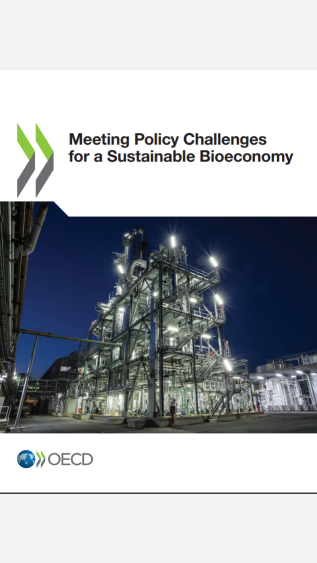
This publication Meeting Policy Challenges for a Sustainable Bioeconomy investigates key aspects surrounding the sustainability of bioeconomy development: the use of biomass as feedstock for future production.

District cooling is not a new concept but it’s gaining traction as the world searches for proven technologies to ensure cities are developed sustainably. In the fast-growing “development corridors” of Malaysia, investors are pushing for innovative policies that can unlock district cooling’s full potential in a country with accelerating demand for air conditioning.

The Florence School of Regulation as part of its global initiatives is offering an online course focusing on energy sector issues pertinent to developing countries. This course will enable the learner in gaining a comprehensive vision to design appropriate policy and regulatory framework needed to ensure sustainable energy for all.
This Report Low Carbon Cities: Exploring new crediting approaches to deliver Carbon and Climate Finance discussed that by 2050, two-thirds of the planet’s population will live in urban centers, and nearly 90 percent of the 2.5 billion new urban dwellers will live in Africa and Asia. The world’s urban areas were responsible for around 70 percent of greenhouse gas (GHG) emissions in 2013, and that number could grow by 50 percent by 2050 if current trends continue.
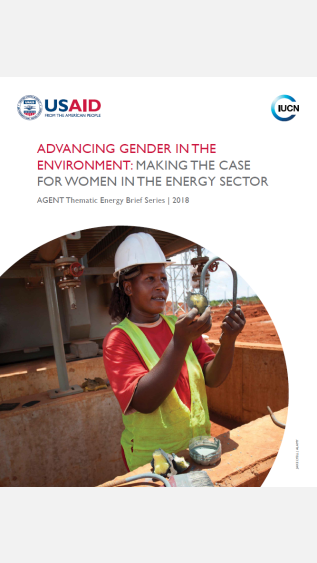
Research increasingly demonstrates the benefits of integrating gender considerations into the energy value chain and throughout the power sector. When the barriers that prevent women from having equal access to energy and economic opportunities are removed, significant productivity gains are unlocked, thereby strengthening development and economic outcomes. Additionally, women are transforming the energy sector in their roles as energy entrepreneurs, innovators and decision makers.
In addition to an overview and evidence of benefits, Advancing Gender in the Environment: Making the case for women in the energy sector identifies the ways in which women are driving the growth of the renewable energy sector and presents a global overview of best practices and solutions that remove barriers to participation. A list of recommendations with links to resources for stakeholders, including policymakers and practitioners, is provided at the end.
Key Messages