
The report Jordan Technology Needs Assessment for Climate Change Report III: Technology action plans (TAP) documents the actions and activities needed in response to the outcomes of a systematic and long process of assessing the obstacles and limitations that are hindering the widespread diffusion and deployment of climate change technologies in Jordan.
This publication Money Where it Matters: Financing the Sustainable Development Goals and Paris Agreement through local finance focuses on local finance issues in urban and rural settings, in the context of climate, energy and natural resources.
Climate change will affect all types of infrastructure, including energy, transport and water. Rising temperatures, increased flood risk and other potential hazards will threaten the reliable and efficient operation of these networks, with potentially large economic and social impacts. Decisions made now about the design, location and operation of infrastructure will determine how resilient they will be to a changing climate.
This paper provides a framework for action aimed at national policymakers in OECD countries to help them ensure new and existing infrastructure is resilient to climate change. It examines national governments’ action in OECD countries, and provides recent insights from professional and industry associations, development banks and other financial institutions on how to make infrastructure more resilient to climate change.
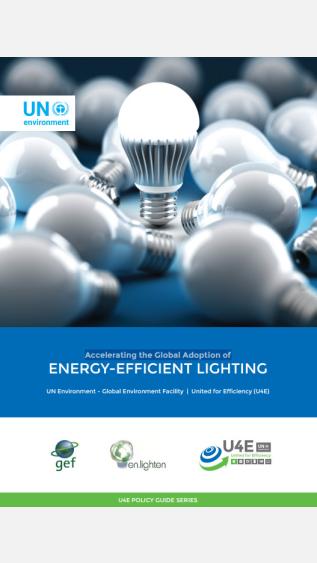
Lighting is widely used in everyday life. It is a significant factor contributing to our quality of life and productivity of our workforces. Artificial illumination extends the productive day, enabling people to work in homes, offices, buildings and factories. Lighting equipment, however, consumes resources. It does so in the manufacturing phase and, more importantly, when installed and operating (i.e. producing light). As our economies grow and populations expand, the global demand for lighting will increase. This period of technology transition from old to new products is an opportunity to governments. They can introduce cost-effective policy measures across all lighting applications yielding substantial savings and accelerating the adoption of LED-based lighting.
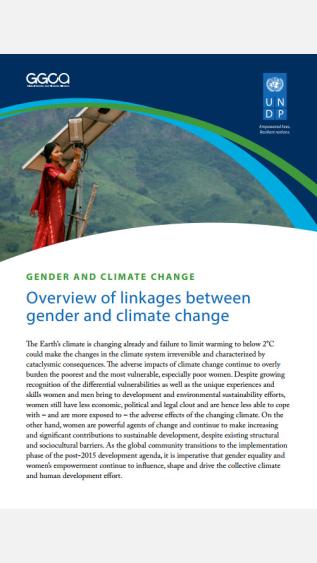
The Earth’s climate is changing already and failure to limit warming to below 2°C could make the changes in the climate system irreversible and characterized by cataclysmic consequences. The adverse impacts of climate change continue to overly burden the poorest and the most vulnerable, especially poor women. Despite growing recognition of the differential vulnerabilities as well as the unique experiences and skills women and men bring to development and environmental sustainability efforts, women still have less economic, political and legal clout and are hence less able to cope with – and are more exposed to – the adverse effects of the changing climate. On the other hand, women are powerful agents of change and continue to make increasing and significant contributions to sustainable development, despite existing structural and sociocultural barriers. As the global community transitions to the implementation phase of the post-2015 development agenda, it is imperative that gender equality and women’s empowerment continue to influence, shape and drive the collective climate and human development effort.
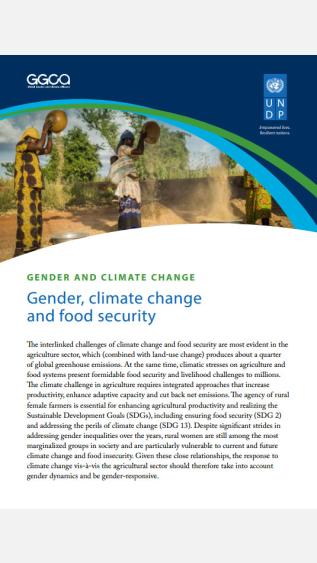
The interlinked challenges of climate change and food security are most evident in the agriculture sector, which (combined with land-use change) produces about a quarter of global greenhouse emissions. At the same time, climatic stresses on agriculture and food systems present formidable food security and livelihood challenges to millions. The climate challenge in agriculture requires integrated approaches that increase productivity, enhance adaptive capacity and cut back net emissions. The agency of rural female farmers is essential for enhancing agricultural productivity and realizing the Sustainable Development Goals (SDGs), including ensuring food security (SDG 2) and addressing the perils of climate change (SDG 13). Despite significant strides in addressing gender inequalities over the years, rural women are still among the most marginalized groups in society and are particularly vulnerable to current and future climate change and food insecurity. Given these close relationships, the response to climate change vis-à-vis the agricultural sector should therefore take into account gender dynamics and be gender-responsive.