

The term ‘Green Energy Economy’ (GEE) received increasing policy and scientific attention following the 2008–2009 global financial crisis, leading to the implementation of numerous ‘Green Growth’ economic stimulus packages that targeted low-carbon energy technologies. These initiatives were portrayed as key elements in the transition to a green economy, in which low-carbon energy systems would play a vital role. However, and setting aside conceptual variations, uncertainties and fragmented knowledge remain in the interplay between a green economy, low-carbon energy systems and governance. This research area raises various questions regarding the performance, implications and complexities of policies and strategies addressing GEE transitional pathways. In addition, achieving a GEE compatible with climate, social and economic goals is an enormous challenge for society, and goes beyond the technological domain. This special issue provides a series of articles that critically investigate these concerns from an interdisciplinary point of view, and provide relevant policy insights using a variety of analytical approaches.
International Climate Policy (ICP) is a bi-monthly magazine published by the International Center for Climate Governance (ICCG), covering trends around international and domestic climate and energy policies, as well as carbon markets.
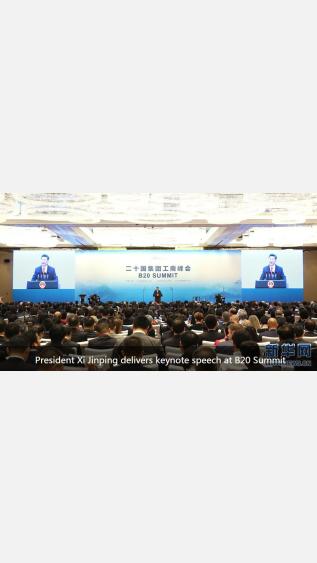
The OECD has welcomed the release by China and the United States of peer reviews of their fossil fuel subsidies.

In recent decades there has been increasing global concern about the sustainability of the use of fossil fuels and nuclear power, which has led to increased interest in more sustainable renewable energy sources.

This course explores the cutting edge methods and policy applications in ecological economics, an interdisciplinary field emerged in response to global sustainability crisis.
This report summarises key aspects of the United States’ energy landscape and addresses each stage of the supply chain for fossil fuels, discussing in detail the subsidies and other measures that the United States and the review team have identified in the course of the review process.