
In June 2014 the Government of India launched the Power for All initiative with an aim to provide 24x7 power across the country by 2019. Subsequently, a sub-committee of the Forum of Regulators (FoR) prepared a national roadmap for the initiative. FoR defined the scope of the initiative to include reliable 24x7 power supply to domestic, industrial, and commercial consumers, power supply to irrigation pump sets for 8 to 10 hours, and access to all connected households by 2018–19. The roadmap made recommendations for fuel supply, generation, transmission and distribution sectors, and demand-side management. In view of the federal structure of India’s power sector, a key recommendation of the FoR study was to formulate state-level strategies to meet the objectives of 24x7 Power for All.
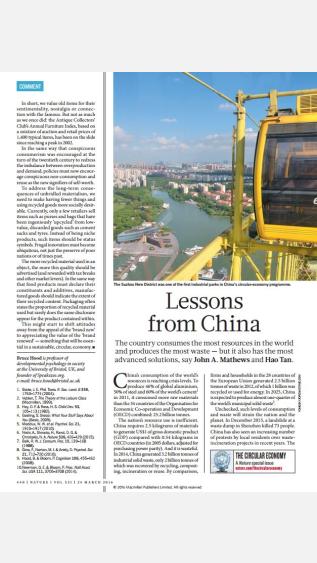
China's consumption of the world's resources is reaching crisis levels. Unchecked, such levels of consumption and waste would strain the nation and the planet. To prevent the worst scenario, the country is taking action.
Buildings represent a key area for climate change mitigation. They account for approximately 30% of global energy consumption, and in turn generate around 20% of all energy-related greenhouse gas (GHG) emissions. Current trends in population growth and urbanization will lead to a significant need for new buildings in the near future. Such growth will bring with it a rise in energy consumption and associated GHG emissions – and not just from residential buildings but also the commercial and industrial developments that accompany them. Considerable opportunities exist to realize significant gains in energy efficiency and implement low-carbon strategies in urban areas.
Energy efficiency policies play a key role in the transformation to a ‘green energy economy’. The paper takes stock of the impacts of the existing energy efficiency policy instruments in Germany and reviews the energy, environmental and socioeconomic impacts of the country’s latest energy efficiency and climate strategies for the year 2020. The authors find evidence supporting the findings of other studies that enhanced green energy policies will trigger tangible economic benefits in terms of GDP growth and new jobs even in the short term. Whereas policy makers have already acknowledged and implemented this conclusion in the case of renewable energies, the paper shows that striving for more ambitious energy efficiency policies represents a similar win–win strategy, which should be exploited to a much larger extent.
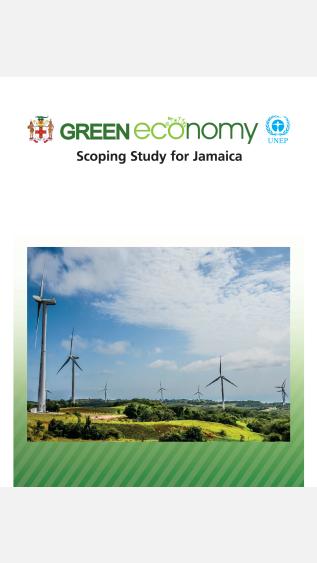
The Green Economy Scoping Study for Jamaica identifies and assesses key opportunities for greening country’s economy as a way to advance sustainable development. It describes the context and identifies opportunities at the macroeconomic level, as well as in five key sectors: energy, agriculture, construction, water and sewerage, and tourism. Based on a qualitative assessment of challenges and opportunities in the country, it proposes key policy and programme interventions that can advance a green economy.
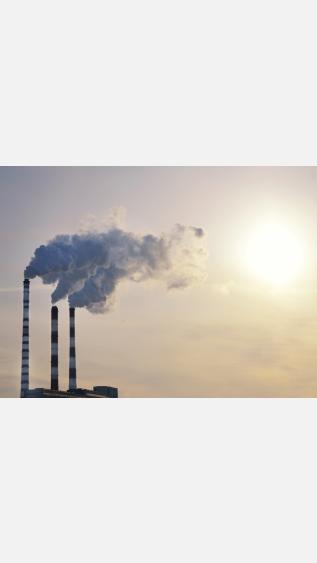
Following the success of the agreement of UNFCCC talks in Paris it is clear that the urgent and early effort to reform government subsidies to fossil fuels can be considered alongside other energy carbon mitigation actions that countries have at their disposal through the use of economic instrume