
This GGKP Working Paper provides a comprehensive and systematic overview and analysis of expert elicitation studies on energy technologies that have focused on climate mitigation technologies. The report also reviews the literature on modelling and decision-making that has utilized the data produced through expert elicitations.
'The State of Green Economy Report 2016: Innovation on its Mind, and in its Pages' is a review and critical reflection of the findings of the World Green Economy Summit, held annually in October in Dubai. The report was developed by the Dubai Carbon Centre of Excellence (Dubai Carbon), Dubai Electricity and Water Authority (DEWA), the Dubai Supreme Council of Energy (DSCE) and in partnership with the United Nations Development Programme (UNDP).
The publication indexes green economic development, meanwhile, offering a platform for national and international experts, and thought leaders to share findings of research and development, solutions, tools, as well as replicable initiatives and case studies.
A contribution from the GGKP's Head, Benjamin Simmons, on 'Enabling Action with Green Growth Knowledge" can be found on pages 238-241 of the report.

As various countries explore the merits of green growth in their policies and programs, the Republic of Korea’s (ROK) transition toward green growth serves as an exemplary model.
This report examines why and how the ROK has pursued green growth as a national priority and as a development paradigm, sharing major milestones achieved in various areas such as greenhouse gas emissions, green technology, resource efficiency, and energy security. Drawing on the expertise of sector specialists and practitioners, the report highlights the processes, outcomes, and key takeaways in advancing green growth planning and implementation in the Korean context to address fossil fuel dependency, economic slowdown, and climate change. It highlights how a confluence of milestones created a strong enabling environment for green growth in the ROK, laying out the institutional, legal, and programmatic platform for green growth.
In support of its ambitious target to reduce CO2 emissions the Scottish Government is aiming to have the equivalent of 100% of Scottish electricity consumption generated from renewable sources by 2020. This is, at least in part, motivated by an expectation of subsequent employment growth in low carbon and renewable energy technologies; however there is no official data source to track employment in these areas. This has led to a variety of definitions, methodologies and alternative estimates being produced.

In this "Insights" blog post, Professor Edgar Hertwich discusses the new International Resource Panel "Green Energy Choices" report.
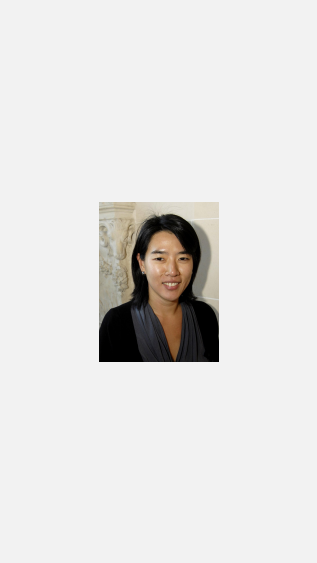
Joy Kim, UNEP, discusses COP21, the Intended Nationally Determined Contribution (INDCs), in which governments set out planned actions to reduce GHG emissions prior to the Paris summit.