

Jehan Sauvage, OECD, discusses the OECD’s Inventory of Support Measures for Fossil Fuels report,
In this study Phase-out of Fossil Fuel Subsidies: Implications for Emissions, GDP and Public Budget assess the potential benefits of removing fossil fuel subsidies around the world using a Computable General Equilibrium approach.
The purpose of this paper A Study on Policy Directions for the Water-Food-Energy Nexus is twofold: (i) to identify the nexus interactions between water and energy system, and various nexus-based solutions that can address sectoral issues in both systems, (ii) to develop possible institutional arrangements, including public intervention, that can support the adoption of nexus approaches when they can enhance sustainability and resource security of each component systems.
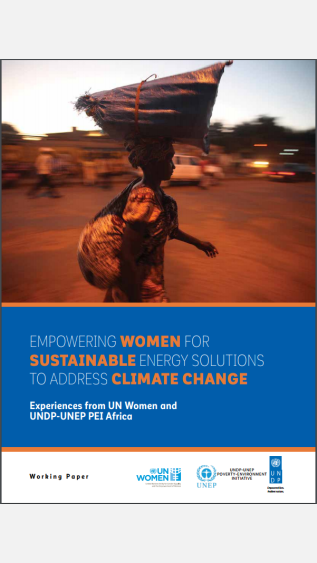
Africa has enormous potential for clean energy, given its ample resources of hydro, solar, wind and geothermal power. However, current highly centralized energy systems often benefit the rich and bypass the poor. On the other hand, decentralized renewable energy systems offer a great opportunity for women’s empowerment. As these are deployed at the local level, women are more likely to participate in related decision-making and be involved in the energy value chain.
The Sustainable Development Goals (SDGs) set a new agenda for development, with the ambitious aim of eradicating extreme poverty within the next 15 years while also recognising environmental limits.
Physical infrastructure, such as energy, transportation, telecommunications, water, and sanitation systems, can contribute to the sustained growth of a national economy. The global economy needs as much as $93 trillion of infrastructure investment through 2030, yet many analysts suggest that global investment is lagging behind the required rate.
This paper looks at the challenges faced by rapidly growing middle income countries in financing their infrastructure, and it focuses on the two seemingly very different models employed by the governments of Brazil and India to overcome those challenges. The paper assesses both the potential benefits and drawbacks of each model and how those potential benefits translate into practice once the particular national circumstances of each country come into play.