

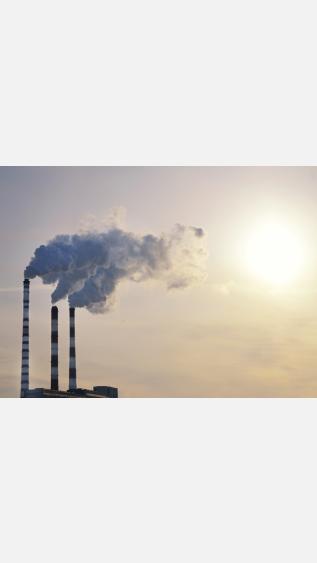
Can small innovating firms drive the energy technological transition? Today, the electricity sector is responsible for 40% of the world’s CO2 emissions, twice as much as the transport sector. This is mainly due to the fact that 70% of electricity is still mostly produced from burning highly carbon-intensive fossil-fuels, such as oil, coal and gas. Transforming our energy system will require speeding up the rate of innovation in renewable technologies, so that they can compete with fossil-fuel technologies. New research sheds light on the central role of small innovating firms specialized in renewable technologies in moving our energy systems away from fossil-fuels.

The GGKP released a series of six working papers on "Fiscal Policies and the Green Economy Transition". The papers cover a range of fiscal topics important to informing the transition to a green economy, such as fiscal reform, water security, environmental taxation in transport, low-carbon technology innovation and more.

Today the United Nations Environment Programme launched the Executive Summary of its Emissions Gap report. The Emissions Gap reports have been released in advance of the COP climate summits since CO

Laura Diaz Anadon, discusses in a Q&A with the GGKP, recent interdisciplinary research that highlights new insights on the impacts of various policies on advancing energy innovation.

The aim of this book is two-fold: to build knowledge of the multiple benefits of energy efficiency and to demonstrate how policy makers and other stakeholders can use existing tools to measure and maximise the benefits they seek.

Cambodia's Second National Communication presents the information on national circumstances, national GHG inventory for the year 2000 and GHG emission projections, impacts and vulnerability to climate change, the situation with respect to the implementation of climate change and related plans, programmes and projects in these areas, financial commitments, technology transfer and international cooperation, systematic research and observation, education, training and public awareness and constraints, gaps and related financial, technical and capacity needs.