

This report produced in co-operation between the Organisation for Economic Co-operation and Development (OECD), the International Energy Agency (IEA), the International Transport Forum (ITF) and the Nuclear Energy Agency (NEA) identifies the misalignments between climate change objectives and policy and regulatory frameworks across a range of policy domains (investment, taxation, innovation and skills, trade, and adaptation) and activities at the heart of climate policy (electricity, urban mobility and rural land use).
Outside of countries’ core climate policies, many of the regulatory features of today’s economies have been built around the availability of fossil fuels and without any regard for the greenhouse gas emissions stemming from human activities. This report makes a diagnosis of these contradictions and points to means of solving them to support a more effective transition of all countries to a low-carbon economy.
The question is not if coal will be phased out from our energy systems, but how. To explore this question, IISD is hosting a web-based discussion of lessons learned from Ontario’s successful coal phase-out.
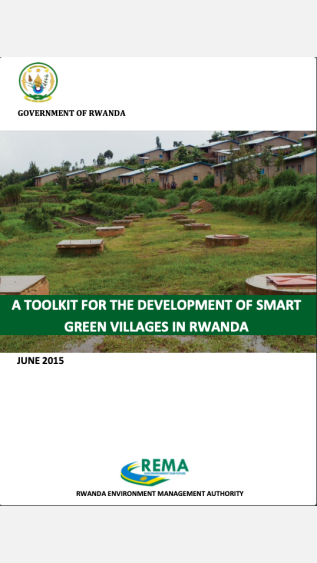
This toolkit will provide guidelines for Smart Green Village implementation and inspire, encourage and support the Users to develop and implement their own transformative strategies for establishing green, resource-efficient, and low-carbon Smart Villages.
This study evaluates options by which the Indian economy can move towards an inclusive green growth paradigm of development. It combines the rigorous scientific and economic studies done at the national and state levels (Punjab and Himachal Pradesh). The objective of this analysis is to understand the impact in India of energy-related green growth interventions on future energy demand, emissions, energy access, energy security, and development indicators.
A result of the culmination of a comprehensive sector review process Uganda Energy and Mineral Development Sector Development Plan (EMDSDP) defines the sector development agenda for the next five financial years from FY2015/16 to 2019/20. In line with the vision 2040 and National Development Plan II theme, the Energy and Mineral Development (EMD) sector through the Ministry of Energy and Mineral Development is set to continue implementing its priorities under its mandate.
This report explores inclusive green growth (IGG) in Africa, an issue of significance for the region due to its potential implications for transformation and sustainable development. It examines the challenges and opportunities for inclusive green growth in selected sectors of the economy, in which targeted investments with accompanying enabling measures could spur transformational sustainable development. The case studies contained in the report were largerly informed by the following four country studies on inclusive green growth: