
This paper examines the opportunities and challenges of increasing women's participation in the energy sector in the European Union and selected Eastern Neighbourhood countries.
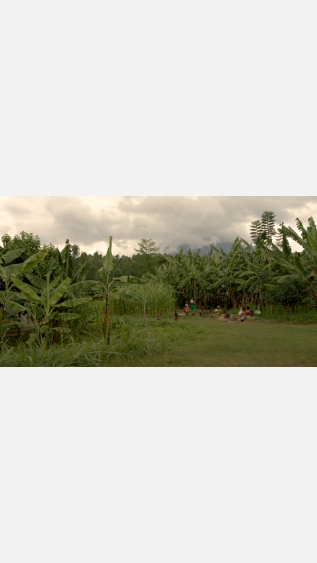
A team from UNEP and UNITAR visited Rwanda in May 2022 to document the impact of the joint UNDP‒UNEP Poverty-Environment Action for Sustainable Development Goals (2018-2022) project and learn how Rwanda’s efforts to achieve sustainable development would be sustained after 2022. We examined how Rwanda‘s “Green Village” projects address poverty-related environmental problems such as soil erosion, inadequate access to water, deforestation and unsustainable land use and clean energy. The National Climate and Environment Fund (FONERWA) helped provide sustainable financing of poverty-environment linkages at the national and local level and turbocharged the Green Villages, which evolved to become “Integrated Development Project Model Villages”. The interventions have enabled their communities to increase livelihoods, improve food security, protect natural resources , advance gender equality and enable children, particularly girls, to attend school.
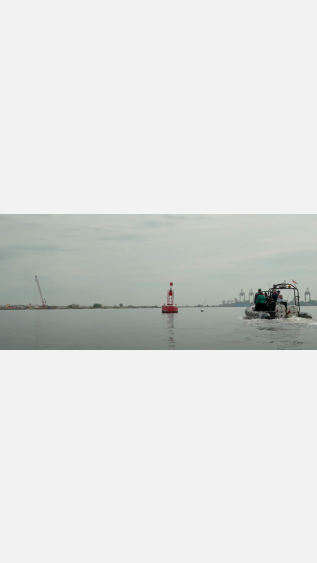
On a breezy morning in late November 2022, a team from UNEP and UNITAR set out in Coast Guard pontoon boats to view up close installations of solar photovoltaic buoys and lighthouses which serve to safely guide navigation in Jakarta Bay. The solar installations are part of the effort to put the country on the path to decarbonisation and meet commitments set in Indonesia‘s Enhanced Nationally Determined Contribution, in fulfilment of the Sustainable Development Goals. The joint project UNDP‒UNEP Poverty-Environment Initiative (PEI) supported government efforts to develop and implement tools to support measures which qualify for Green Bond/Green Sukuk (Islamic Bond) investments. A Green Sukuk issuance in 2019 funded the Double Track Railway Project in North Java Line Double track railway, making transportation in and out of the Capital more sustainable. Through the Sustainable Development Finance Project, Poverty-Environment Action, the successor to PEI, continued to support the country‘s Green Sukuk initiatives by building capacity among Government officials to employ climate and gender-sensitive budgeting and investment.
Lithium is one of the key elements in the energy transition. Until now it has been an essential input in the production of lithium-ion batteries —a key technology for the decarbonization of transport and the storage of energy generated from renewable sources.
This final report assesses progress and cumulative achievements from 1 September 2018 - 31 December 2022 in line with the PEA Results Framework and delivered on its objective to strengthen integration of poverty-environment-climate objectives into policies, plans, regulations and investments of partners countries to accelerate delivery of the 2030 Agenda.
This report presents a summary of the most relevant findings from an extensive mapping exercise of energy sector practices in the Latin America and Caribbean region