
This paper provides recommendations to better align ODA to gender-sensitive responses in the disbursement of COVID-19 relief and recovery funds, and considers how public finance management systems should be strengthened by donors and partner countries to provide for gender-sensitive recoveries.
This UNEP report addresses the role that labelling initiatives can play in managing chemicals of concern and proposes recommendations to scale up these initiatives’ effectiveness to track and control the use of CoCs along the electronics value chain.
This paper identifies policy areas where gender sensitivity would be beneficial, and proposes policy actions to help countries align their commitments to gender equality and environmental objectives during the COVID-19 recovery.
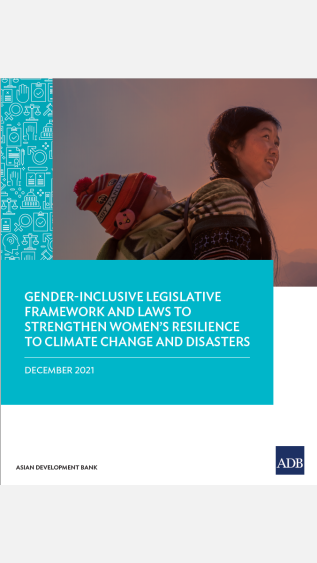
This report aims to address gender inequality in relation to disasters and climate change, strengthening approaches to secure women’s rights, and creating opportunities for women to participate equally in lawmaking and governance.
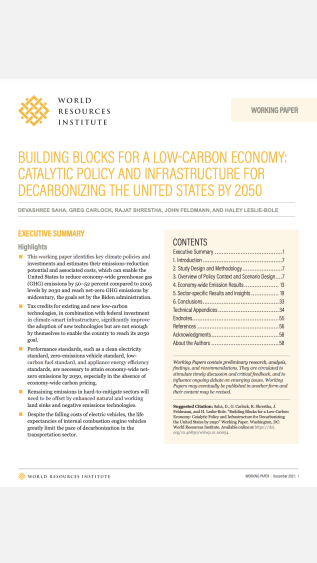
This working paper identifies key climate policies and investments and estimates their emissions-reduction potential and associated costs, which can enable the United States to reduce economy-wide greenhouse gas emissions by 50–52% compared to 2005 levels by 2030 and reach net-zero emissions by mid-century.

This study applies a gender lens to job creation in the green transition, assessing opportunities for women’s participation in green jobs in key sectors driving growth in African economies.