
This report analyses the current state of knowledge regarding the role of nature-based solutions in climate change mitigation.
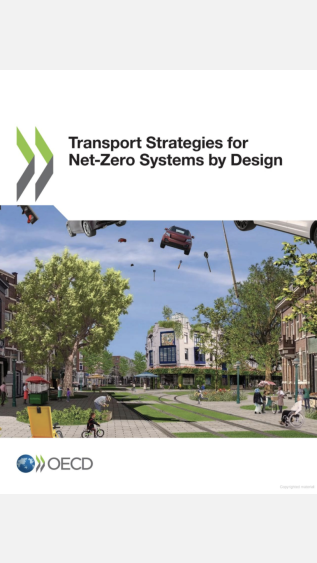
This report applies the OECD well-being lens process to the transport sector. It builds on the report Accelerating Climate Action and encourages countries to focus climate action on delivering systems that - by design - improve well-being while requiring less energy and materials, and thus producing less emissions.
The Climate Action Monitor, part of the International Programme for Action of Climate (IPAC), provides a diagnostic policy framework for assessing country progress towards climate objectives.

Cities play an influential role in achieving a sustainable future, with London’s consumption-based emissions, embedded within the products consumed in the city, being 3.5 times bigger than the territorial emissions, occurring within the city boundaries. When exploring these impacts, it is therefore critical to understand not just the emissions that are directly responsible for producing within the city’s boundaries, but also those associated with things that are consumed – in this case food – that are imported from elsewhere.
This report explores the mass of materials flowing through London and their associated consumption-based emissions across the entire food and beverage supply chain within Greater London - from imports, primary production, manufacturing, wholesale and retail to consumption in food service and the home, to how waste is managed.
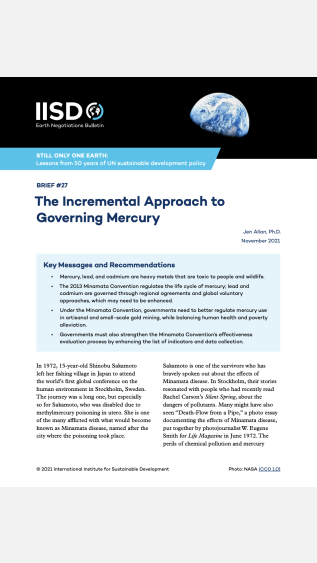
Still Only One Earth: Lessons from 50 years of UN sustainable development policy Years of activism on mercury poisoning gave rise to the Minamata Convention on Mercury. Going forward, governments need to better regulate mercury use in artisanal and small-scale gold mining, while balancing human health and poverty alleviation.
This report highlights the year’s trends in technology demand as seen in technical assistance requests from developing countries.