
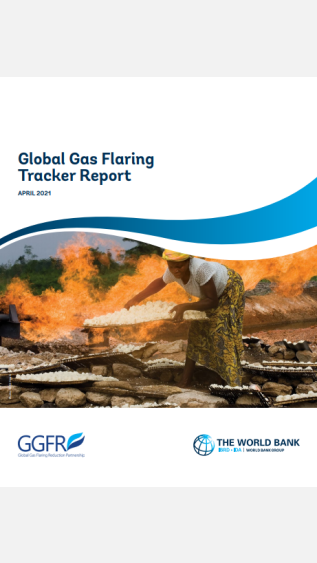
The World Bank’s 2020 Global Gas Flaring Tracker, a leading global and independent indicator of gas flaring, found that from 2019 to 2020, oil production declined by 8 percent, while gas flaring dropped by 5 percent. While these seven countries have together produced some 40 percent of the world’s oil each year, they have also accounted for roughly two-thirds (65 percent) of global gas flaring. This trend is indicative of ongoing, though differing, challenges facing these countries.

This note prepared for the G20 Infrastructure Working Group summarizes the main finding of the IMF flagships regarding the role of environmentally sustainable investment for the recovery.
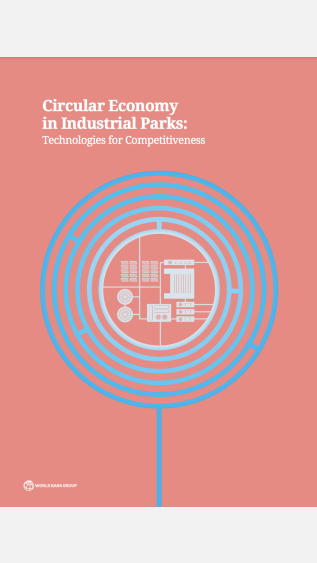
This report intends to provide practical recommendations on how industrial parks can promote the circularity of resources and strengthen competitiveness through innovative technologies and business models, and what governments can do to support such initiatives.
This report presents economic prospects for developing Asia and the Pacific. It includes analysis of the impacts of school closures caused by the pandemic and a theme chapter on financing a green and inclusive recovery.
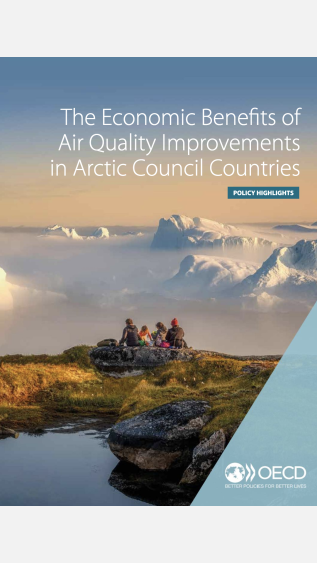
With ambitious policy action to reduce air pollutants, Arctic Council countries would obtain a positive effect on health and the environment throughout their territory, while also helping to slow down climate change by reducing emissions of black carbon. This report calls for ambitious policy action to reduce air pollution in Arctic Council countries, highlighting the environmental, health, and economic benefits from policy action.
This report provides an assessment of the use of, and recommendations for scaling up, Nature-based Solutions to address water-related climate risks. The analysis is based on two country case studies carried out in Mexico and the United Kingdom.