
In this working paper, a review has been carried out of the current mobilisation of capital and what has been achieved with regard to the SDG targets.
This report presents the first systematic analysis of significant emitters and examines the robustness of net zero pledges as well as their scope. It further looks for entities have components of a credible plan in place, such as interim targets, a reporting mechanism and clarity on use of offsets. This report does not assess whether such plans are internally coherent nor compatible with a global trajectory to the 1.5°C Paris Agreement target.

In this report, using an entire industry of a G7 country as a case study, Planet Tracker shows how the depletion of the natural world negatively impacts financials, and how improved sustainability could drive better financial performance. Analysts and portfolio managers must therefore understand and account for natural capital and its interplay with financial performance.
This working paper estimates multipliers for spending in clean energy and biodiversity conservation to help inform stimulus measures for a post-COVID-19 sustainable recovery.
In this report, Carbon Tracker analyses the financial viability of new gas-fired power plants in Italy. Carbon Tracker compares the cost of gas-fired power plants with those of a clean energy portfolio providing the same grid services (monthly energy, peak capacity, and flexibility).
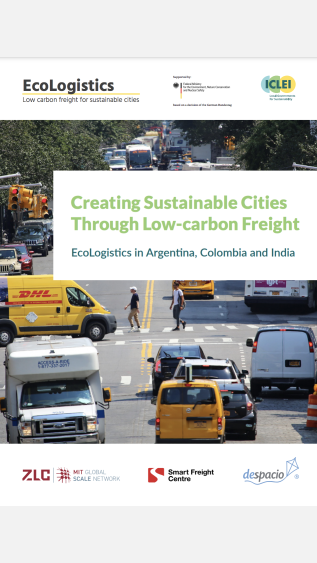
The purpose of this report is to review existing urban freight movement characteristics across the nine EcoLogistics project cities in Argentina, Colombia and India, provide an account of baseline GHG emissions (2019) from urban freight and identify possible interventions to minimise its negative impacts.