
In 2020, PEA continued to deliver on its objective of strengthening the integration of poverty-environment-climate objectives into policies, plans, regulations and investments of partner countries to accelerate delivery of the 2030 Agenda and the Sustainable Development Goals (SDGs). Notable achievements include 76 planning frameworks, legislation and regulations that integrate the poverty-environment nexus developed in eight countries; 7 government-led intersectoral coordination mechanisms established and supported that promote coherence of planning, frameworks, legislation and regulations; environmental, social and economic data collected, analysed and reported in five countries, ensuring a poverty-environment nexus perspective through national development and SDG monitoring systems; 18 guidelines and tools developed to manage private sector investment decisions that facilitate or prioritize quality investments; and 2 regional and global PEA partner programmes and agencies applying an integrated mainstreaming approach. The year also marked the start of three new strategic partnerships through technical assistance at the regional level: with the Asian Development Bank, GIZ and UN Women.
This report serves as a call for coordinated and decisive action to facilitate good management practices and curb the use of plastics across the agricultural sector.
This report provides a roadmap that puts gender equality, social justice and sustainability at the centre of COVID-19 recovery and transformation.
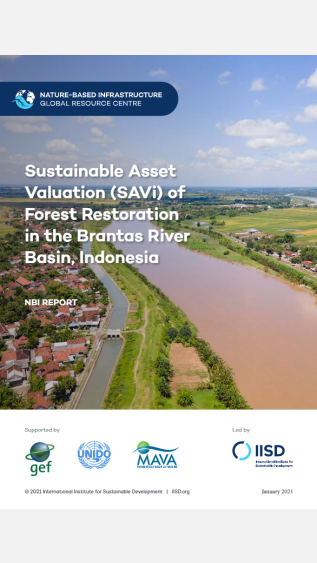
This assessment shows that the nature-based infrastructure solution of land restoration is more cost effective than building a reservoir for water storage and also provides significant societal benefits.
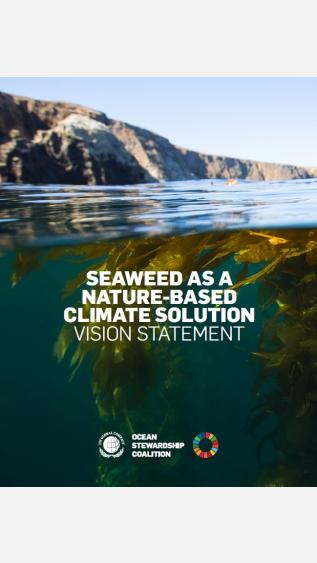
This vision statement positions seaweed as a significant nature-based climate solution with large scaling potential that can directly sequester carbon and indirectly displace greenhouse gas emissions.
This paper offers recommendations for pathways for a more inclusive, environmentally sustainable and resilient COVID-19 recovery, as well as basic guidance to UN Resident Coordinators, Country Teams and other partners working on recovery plans and assessments of the socio-economic impacts of the pandemic