
In this report we identifies seven key investment areas for China’s zero-carbon transition: resource recycling, energy efficiency, demand-side electrification, zero-carbon power generation, energy storage, hydrogen, and digitalization.
The size, speed, and reach of the postcrisis debt buildup in Emerging market and developing countries(EMDEs) raises concerns about its potential consequences for macroeconomic and financial stability. To shed light on these consequences, this study presents the first indepth analysis of four waves of debt accumulation, puts the current debt wave into historical perspective, analyzes national episodes of debt accumulation, examines the links between debt accumulation and financial crises, and draws policy lessons. The study employs a wide range of approaches, including event studies, econometric models, country case studies, and a detailed review of historical episodes.
This report provides an assessment of the status and impacts of marine pollution in the Caribbean and provides recommendations to enhance the region’s resilience as it steers toward the Blue Economy. It highlights the major socio-economic, health, and ecological impacts of marine pollution, and provides an assessment of the main marine pollutants in the region including marine and coastal litter, untreated wastewater, and agricultural run-off.
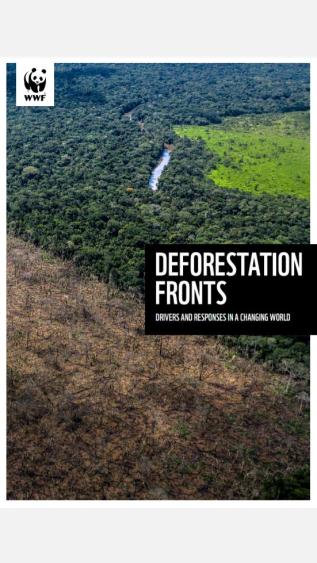
The causes, pace and magnitude of deforestation and forest degradation have changed over time. The way that different causes of deforestation link together and the effects they have on forests varies across regions. Globally, a multitude of approaches have been implemented to halt deforestation and forest degradation. While progress has been made in halting forest loss and degradation, both continue at alarming rates.
This report provides a comprehensive analysis of deforestation connecting drivers and responses globally by taking a closer look at 24 “deforestation fronts” – places that have a significant concentration of deforestation hotspots and where large areas of remaining forests are under threat. Over 43 million hectares were lost in these fronts between 2004 and 2017, an area roughly the size of Morocco.
This report presents the findings of a pilot study on ESG due diligence and transparency policies and practices among a sample of 25 companies in the extractive commodity trading sector. The 25 geographically dispersed companies have significant activities in the trade of oil, gas, metals or minerals sourced from third parties, and include traditional trading companies, international oil companies, and integrated companies (involved in both production and trading). The study covers publicly-listed and private companies and state-owned enterprises.
This report includes results of LCA meta-analyses on single-use plastic products (SUPP) and their alternatives, an elaboration on a variety of resources and mechanisms related to actions to address SUPP pollution, as well as country-level case studies on policy development presented by a selection of Member States.