
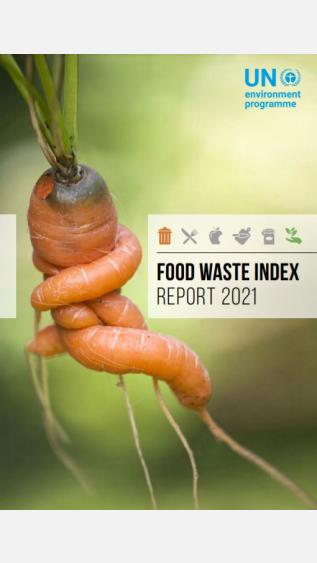
This report aims to provide insights into the scale of food waste and methodology that enables countries to measure baselines and track progress in meeting the SDG target.
This note promotes the links between short-lived climate pollutants (SLCP) mitigation and the economic recovery. It highlights examples of how countries are addressing SLCPs in their recovery plans and provides options for resourcing the recovery. The report is aimed at public policymakers and their advisers.
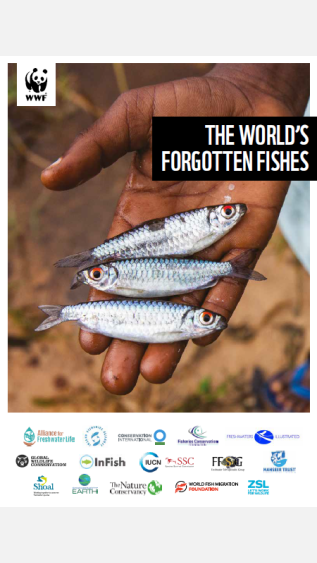
This report is the Urban Land Institute (ULI)'s first-ever outlook on issues that are specific to environmental, social, and governance (ESG)—a broad and critically important topic that affects every aspect of our businesses, our industry, and communities.
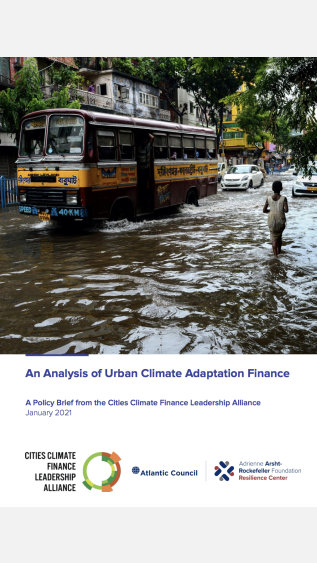
This Urban Adaptation Finance Tracking brief identifies gaps and barriers to financing resilience solutions in global urban areas and highlights entry points to drive action by investors, cities, national governments, and other stakeholders to increase urban adaptation finance.
In this paper, the identification of gaps in climate finance is based on a comprehensive review not only of current climate finance projects, but also of the contributions of SMEs to climate action, drawing on nearly twenty years of experience in providing incubation and acceleration programmes for eco-inclusive enterprises within SEED programmes as well as insights and good practices from the interrelated spheres of SME finance and green finance. This paper provides climate finance practitioners and policymakers as well as local financial institutions and other SME intermediaries (such as incubators, accelerators, business development service (BDS) providers) with tangible recommendations to better understand and leverage the potential of SMEs in meeting climate action objectives from the ground up.