
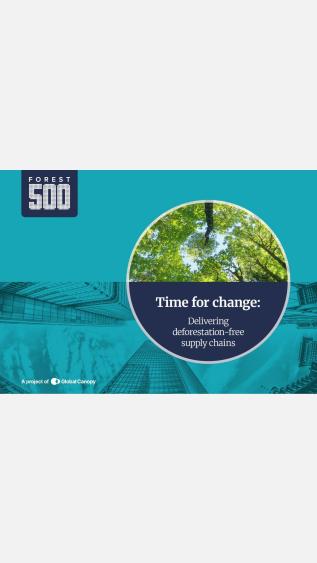
There is no solution to the growing climate and nature crisis the world faces without a solution to deforestation. Currently, two thirds of tropical deforestation is driven by agricultural expansion to produce commodities such as soy, palm oil, timber, and beef. Over the last decade leading companies, financial institutions and governments took on ambitious commitments to address deforestation in their supply chains and financing by 2020. But by the start of 2020 – the year the problem was to have been all but resolved – even the leaders have fallen well short of their targets, and tropical primary forest loss had increased by 44% since the signing of the landmark New York Declaration on Forests, announced by the Secretary General at the UN General Assembly in 2014.
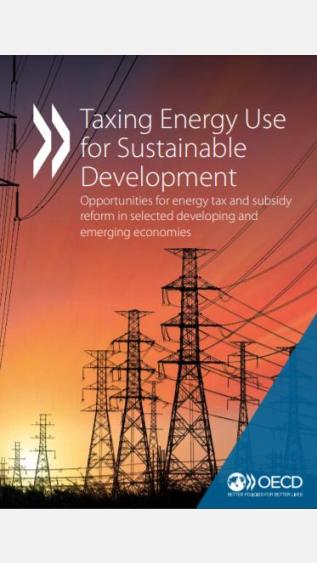
This document provides results for 15 developing and emerging market economies in (Taxing Energy Use for Sustainable Development: Opportunities for energy tax and subsidy reform in selected developing and emerging economies) TEU-SD include data and indicators to support carbon pricing reforms in the 15 TEU-SD countries, and compares their macro-economic and policy context to OECD countries.
This paper outlines the best ways countries can use ocean-based action to curb greenhouse gas emissions and better adapt to the impacts of climate change. The paper focuses on four ocean-based subsectors that have the greatest potential to curb emissions and deliver significant other benefits: marine conservation (coastal and marine ecosystem restoration and protection), oceanic and coastal fisheries, marine transport, and ocean-based renewable energy.
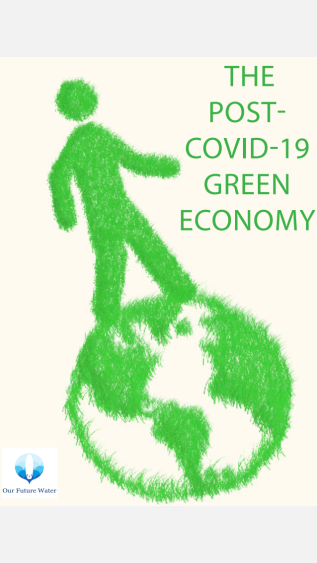
This paper discusses a variety of fiscal and non-fiscal policy tools, along with case studies, that are available to facilitate the transition to a green economy in the post-COVID-19 reconstruction phase.
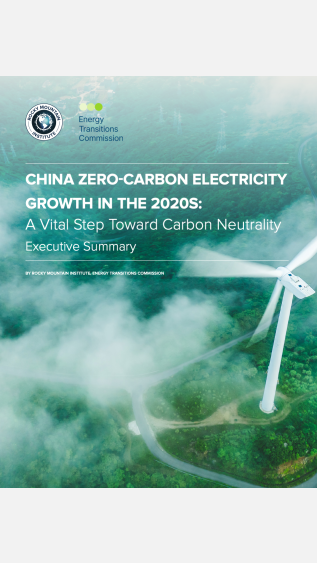
China Zero-Carbon Electricity Growth in the 2020s takes a look at the economic and technical issues involved with China’s coming transition to zero-carbon electricity.
This brief utilises econometric analysis to illustrate how the implementation of the SDGs is a statistically significant variable in a country’s improved performance in the Ease of Doing Business Index which, in turn, can aid in building back better as the world enters the second year of the pandemic.