
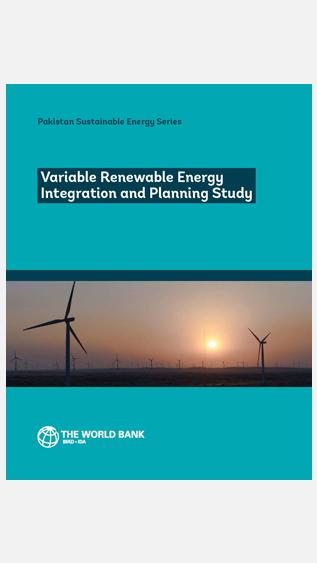
This report is intended to answer the following critical questions for the future planning of the Pakistan electricity sector: What is the optimal energy mix over the next 10 to 20 years when considering economic, technical, and environmental factors? What are the implications for the basket cost of power, energy security, and greenhouse gas (GHG) emissions? Can the Pakistan electricity system handle much higher penetrations of variable renewable energy (VRE) such as solar and wind?...

This report synthesises multiyear, multidisciplinary climate change studies on the Sundarbans—the world’s largest remaining contiguous mangrove forest and wetland of international importance, as well as home to some of South Asia’s poorest and most vulnerable communities. The studies’ findings indicate that, in a changing climate, sea-level rise, storm-surge intensification, and water salinization will alter the Sundarbans ecosystem significantly.

Agriculture and food systems in the LAC region are among the most successful on the planet, but the impressive achievements have come at the expense of significant environmental and health costs. The region’s successes in feeding the population and exporting food to the rest of the world are exacting high costs on people and on the environment.

This report explores whether WTO rules and practices are fit for purpose in addressing fossil fuels subsidies and supporting the clean energy transition, and how they could be reformed to more effectively contribute to these key objectives. It also offers practical recommendations for WTO members and other stakeholders interested in moving this agenda forward.
As global demand for material resources has increased dramatically in recent decades, rising international trade has become an essential means to overcome the constraints posed by local resource scarcity. While the contribution of international trade in fuelling economic expansion has long been recognised, its impact on the environment is more ambiguous. Trade can prove damaging to the environment by boosting overall resource production and use, shifting production to countries with less-stringent environmental legislation, and increasing energy use and pollution linked to transportation. Yet, when accompanied by appropriate measures, trade can enable and accelerate the transition to a greener, more circular economy – for instance, by facilitating access to green technologies and to other environmental goods and services.