
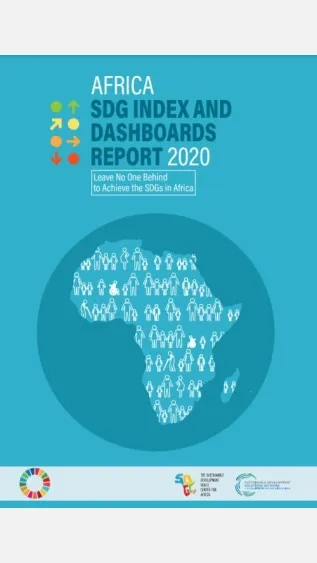
This report provides an assessment of where African countries stand with respect to the SDGs and their progress towards achieving them. It also includes a preliminary analysis of the impact of COVID‑19 on the SDGs in Africa.
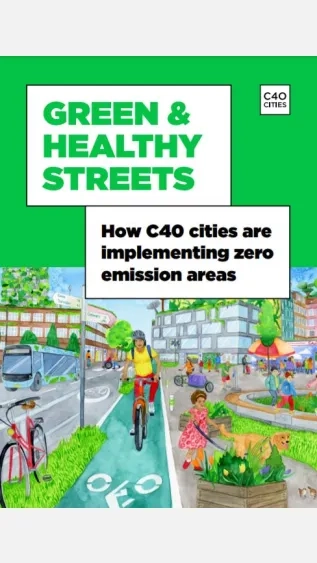
This report analyses the approaches being taken by some leading cities to implement a zero emission area (ZEA).
This report responds to Resolution 4/8 by the United Nations Environment Assembly (UNEA) and aims to inform the international community about the current situation of specific issues of concern, based on a review of evidence published within the past decade.
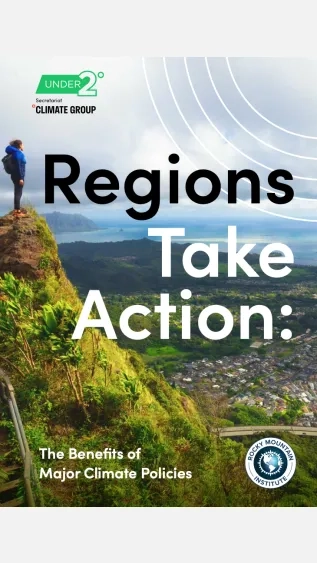
This handbook shows how regional governments are reaping the immediate benefits of decisive climate action while also safeguarding the future. For these governments, a collection of key actions is driving significant impacts on the economy, equity, public health, air quality, and resilience. The handbook details five transformative actions regional governments can take to limit the effects of climate change while supporting a broad range of other societal benefits.

This study aims to present the challenge of food waste in the tourism sector and assess the potential to transform negative impacts into business opportunities as well as positive social and environmental outcomes.
The COVID-19 pandemic is likely an example of how the disturbance of ecosystems can have systemic consequences. As biodiversity is often seen as a public and therefore open access good, its conservation, restoration, and sustainable use rely heavily on scarce public sector finance. Simultaneously, governments are spending vast amounts to promote economic activities that are potentially harmful to biodiversity.