
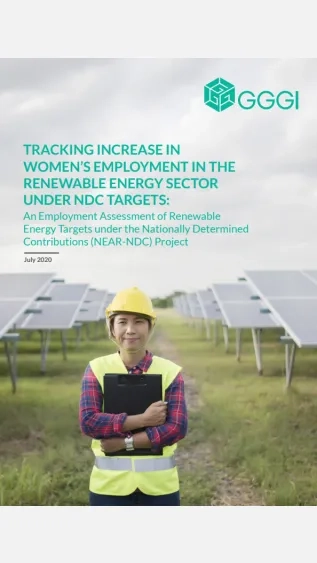
This report covers the current status of women’s participation in the energy sector - using case studies from Mexico and Rwanda, to help inform future labour projection models and the assessment of co-benefits.

This study considers single-use plastic bottles and alternatives that could potentially replace them from a functional and transportation point of view.
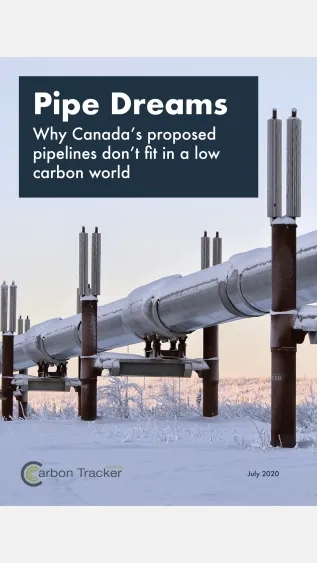
This resource discusses the proposed development of new oil sand pipelines in Canada, indicating they will be uneconomic even if discounts for Canadian crude narrow, and will undermine Canada's position on climate change.
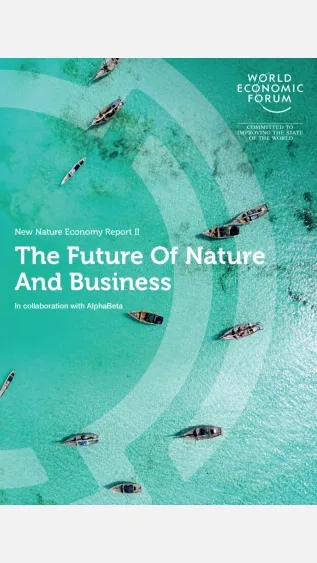
The Future of Nature and Business, the second of three reports in the World Economic Forum’s New Nature Economy series, provides the practical insights needed to take leadership in shifting towards a much needed nature-positive economy. The report highlights the need for a fundamental transformation across three socio-economic systems, which represent over a third of the global economy and provide up to two-thirds of all jobs.
This resource identifies how policies, investment, enterprises, employers’ and workers’ organisations, and consumers can work towards a sustainable green recovery. It summarises the resources offered by the ILO to advance decent work, social justice, and environmental sustainability simultaneously.
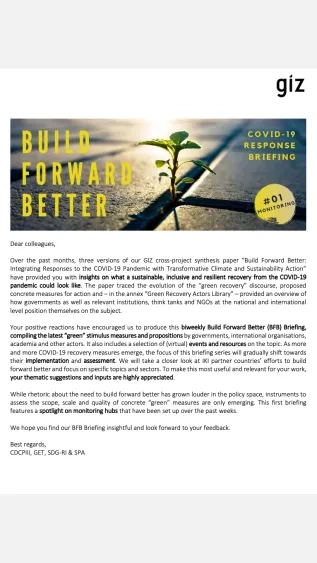
As more COVID-19 recovery measures emerge and rhetoric about the need to build forward better grows louder in the policy space, instruments to assess the scope, scale and quality of concrete “green” measures are only emerging. This first briefing features a spotlight on monitoring hubs that have been set up, including the Energy Policy Tracker, Green Stimulus Index, IMF Policy Tracker, OECD Country Policy Tracker, Carbon Brief green recovery measures tracker, and the World Bank's COVID-19 data hub.