
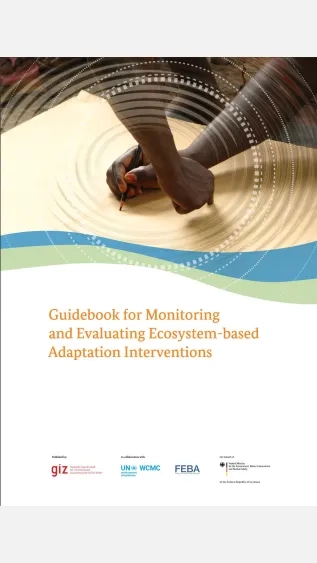
The Guidebook provides an overview of the process needed for designing and implementing effective monitoring and evaluation (M&E) for Ecosystem-based Adaptation (EbA). It breaks this process down into four key steps that will help you develop and operationalise an M&E system for EbA, as well as effectively use and communicate M&E results.

This IEA report charts a possible path for energy use and CO2 emissions in 2020. In response to the exceptional circumstances stemming from the coronavirus pandemic, the annual IEA Global Energy Review has expanded its coverage to include real-time analysis of developments to date in 2020 and possible directions for the rest of the year.

The COVID-19 crisis has caused economic shockwaves around the globe, highlighting the interconnectedness of countries through global value chains and the importance of a resilient trading system. Appropriate trade policies and regulations can help accelerate the post-crisis recovery. This policy brief focuses on Aid for Trade as a means to promote green trade and build climate resilience.
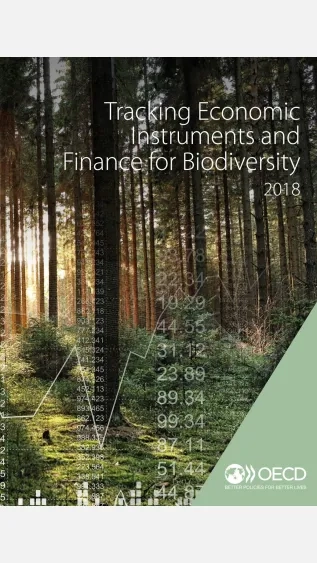
The OECD Environmental Policy Committee (EPOC), through its unique database of Policy Instruments for the Environment (PINE), collects quantitative and qualitative information on policy instruments, in more than 80 countries worldwide. This resource presents statistics on the biodiversity-relevant economic instruments and the finance they mobilise, based on currently available data in PINE.
This report examines the potential for increased coherence in approaches to climate change adaptation and disaster risk reduction across levels of government and sectors.
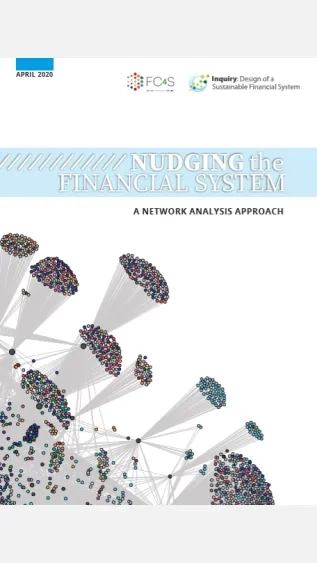
This paper is a first attempt to improve the understanding of the sustainable finance ecosystem, its partnerships, actors and emerging network characteristics related to the implementation of the 2030 Agenda for Sustainable Development and its 17 Sustainable Development Goals (SDGs).