
The report reviews ILO chemicals instruments as regards their content, ratification rate, implementation and highlights. The instruments are then put in the wider context of other international instruments on chemicals such as the Basel, Rotterdam and Stockholm Conventions (BRS Conventions) and the Minamata Convention on Mercury as well as current international strategic frameworks which aim at eliminating or at least minimizing chemical hazards on a global scale.
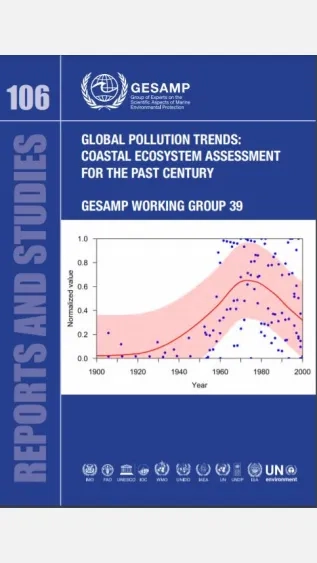
This assessment was aimed to provide United Nations regulators, international, regional, national and local decision-makers with predictive knowledge and a management tool on contaminants trends worldwide to support decisions of socio-economic value at all scales. This report contains a detailed description of the established methodology, an overall description of the database, six case studies among the Large Marine Ecosystems (LMEs; selected based on geographic distribution and information availability), a global assessment, conclusions, and recommendations.

This paper examines the extent to which addressing climate-related risks and supporting sustainable finance fit into the current set of central bank mandates and objectives.
This publication discusses the benefits for Latin American and Caribbean countries of implementing auctions to attract investments in clean energy in order to diversify the energy matrix, improve energy security, and reduce exposure to oil price volatility.
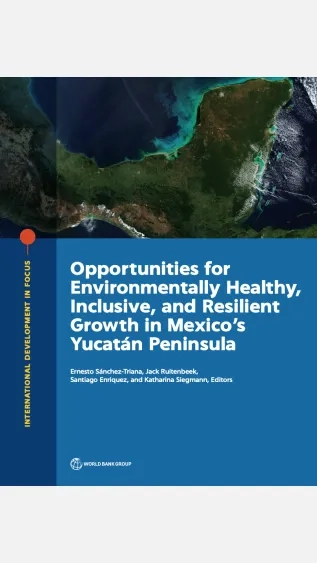
Based on preliminary identification of environmental priorities, this report explores selected topics that aim to inform decision-making in the Yucatán Peninsula. A general context of integrated coastal zone management (ICZM) is used to explore issues, constraints, and potential solutions. The role of geomorphology is examined with a view to identifying how shore management plans can contribute to improved coastal management. The report also demonstrates how rigorous economic tools can provide insights into the economic impacts of extreme climate events and of economic losses from environmental degradation. It concludes with options for consideration in the years ahead in relation to pilot projects and interventions, technical assistance, institutional strengthening, and monitoring, evaluation, research, and development.
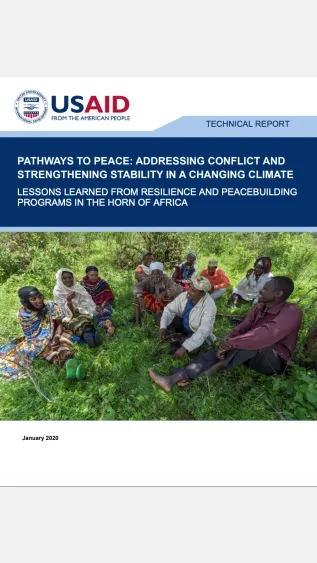
This report critically assesses how peacebuilding programming can also produce adaptation benefits (and vice versa), so that interventions simultaneously contribute to reduced intercommunal conflict and strengthened resilience to a range of shocks and stresses, including droughts, floods, and rainfall variability.