
This Paper proposes a method whereby any decision-maker can calculate the cost required to deliver sustainable water management to a geography. It calculates the cost of action required to close the gap between current conditions and desired conditions to financially compare and prioritize different water-related challenges or different targets of Sustainable Development Goal 6. The paper also estimates the costs of delivering sustainable water management for all countries and major basins.
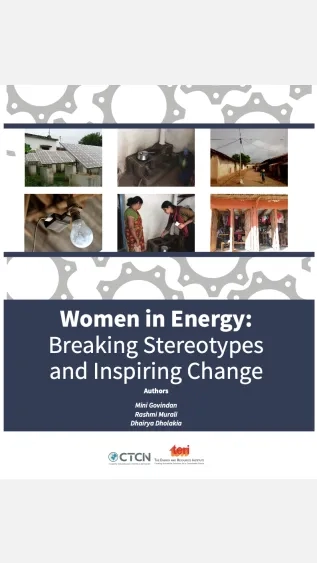
This publication introduces the Gender Mainstreaming Framework in the energy value chain as well as provides different case studies on gender inclusion from India and Nepal. The case studies focus on gender mainstreaming practices in the energy sector—specifically in the off-grid, grid connected, and clean cooking segments. They highlight the practical interventions and capture their replicable processes and aspects.

This report examines both the benefits and risks big data and AI can bring to the insurance industry. In particular, this reports discusses how the OECD Recommendation on Artificial Intelligence and the European Commission’s Independent High-Level Expert Group on Artificial Intelligence’s (HLAG AI) Ethics Guidelines for Trustworthy AI should be considered in the context of the insurance sector.

This report provides a comprehensive analysis of the environment and climate change in Asia. It first gives an overview of the environmental challenges facing the region and summarises the economic impacts of climate change. It also offers in-depth discussions of environmental regulations, environmental governance, environmental evaluation, and the growth of carbon markets in Asia.
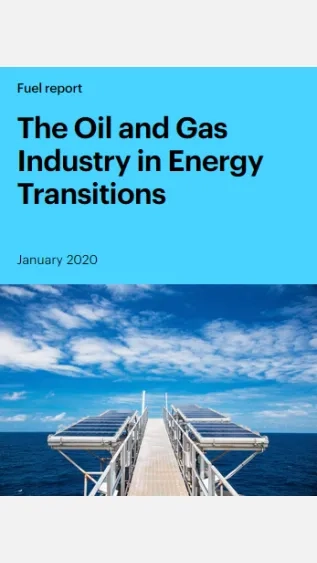
This report The Oil and Gas Industry in Energy Transitions demonstrates that three considerations provide the boundaries for this analysis. First, the prospect of rising demand for the services that energy provides due to a growing global population – some of whom remain without access to modern energy – and an expanding global economy.
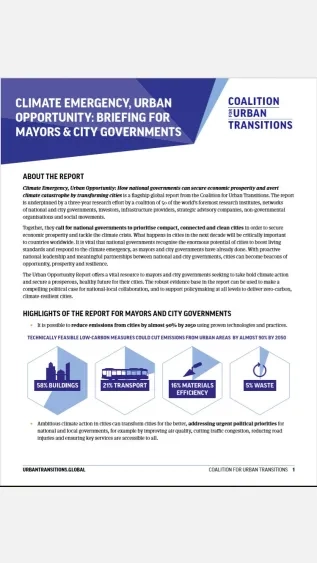
This report calls for national governments to prioritise compact, connected, and clean cities in order to secure economic prosperity and tackle the climate crisis. The report quantifies the necessary investments as well as the potential benefits available to governments willing to invest into zero-carbon cities and it sets out a six-part action plan on advocating for ambitious, coordinated climate action.