
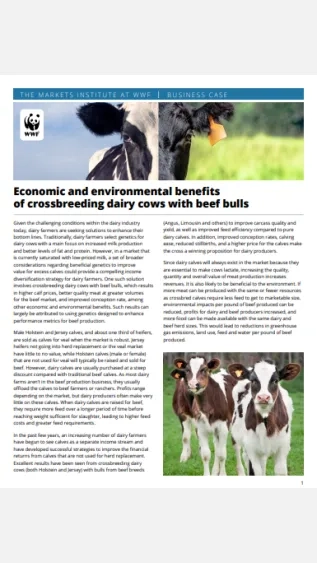
This business case report examines the environmental, production, and financial considerations and impacts related to crossbreeding dairy cows with beef bulls.
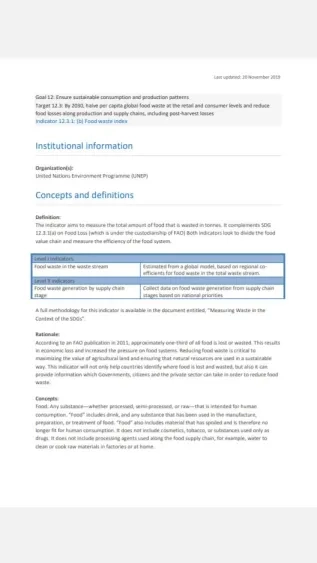
The indicator aims to measure the total amount of food that is wasted in tonnes. It complements SDG 12.3.1(a) on Food Loss (which is under the custodianship of FAO) Both indicators look to divide the food value chain and measure the efficiency of the food system.
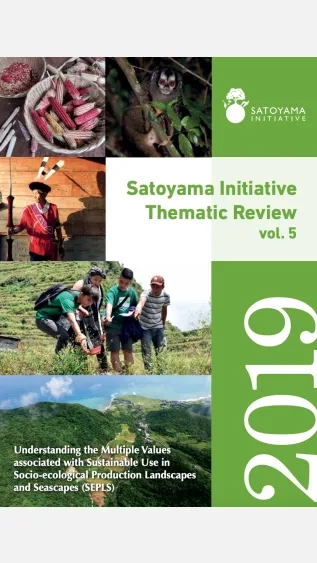
This report provides an account of the multiple values of nature associated with socio-ecological production landscapes and seascapes (SEPLS). It presents a series of in-depth case studies from Latin America, Africa, Asia, and Europe, which highlight the dilemmas between conservation and development as well as discuss the development and monitoring of community-based projects. The case studies also explore how different values of nature influence the decisions and actions of different stakeholders and how this affects the use and distribution of nature’s contributions to people.
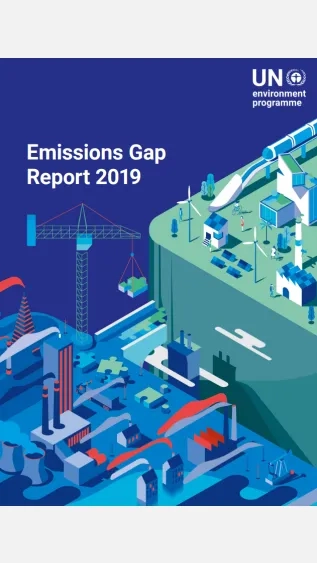
This report provides an independent scientific assessment of how countries’ climate pledges and actions are affecting the global greenhouse gas emissions (GHG) trend, comparing it with the emission reductions necessary to limit global warming to well below 2°C and 1.5°C in accordance with the Paris Agreement.

This report explores how to activate the mutually reinforcing links between environmental and human wellbeing, with a view to creating a sustainable future, by focusing in particular on the management of forest resources.
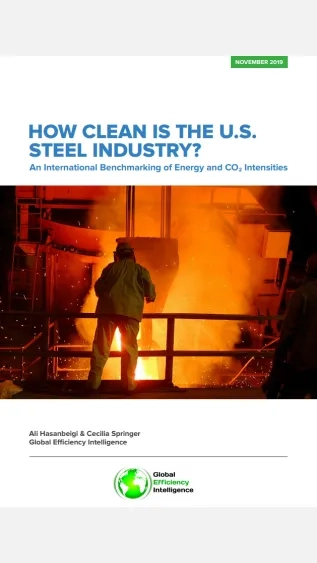
This study, How Clean is the U.S. Steel Industry? which was supported by the BlueGreen Alliance Foundation, conducted a benchmarking analysis for energy and CO2 emissions intensity of the steel industry among the largest steel-producing countries.