
The Agricultural Outlook 2019-2028 is a collaborative effort of the Organisation for Economic Co-operation and Development (OECD) and the Food and Agriculture Organization (FAO) of the United Nations. It brings together the commodity, policy and country expertise of both organisations as well as input from collaborating member countries to provide an annual assessment of the prospects for the coming decade of national, regional and global agricultural commodity markets. This year's Special Feature will focus on agricultural development in Latin America.
The Agricultural Outlook 2019-2028 is a collaborative effort of the Organisation for Economic Co-operation and Development (OECD) and the Food and Agriculture Organization (FAO) of the United Nations. It brings together the commodity, policy, and country expertise of both organisations as well as input from collaborating member countries to provide an annual assessment of the prospects for the coming decade of national, regional, and global agricultural commodity markets. This year's Special Feature focuses on agricultural development in Latin America.

This series of articles takes a close look at the approach toward carbon pricing in several provinces and considers where things stand now that the Pan-Canadian Framework on Clean Growth and Climate Change, struck in late 2016, has fallen apart.
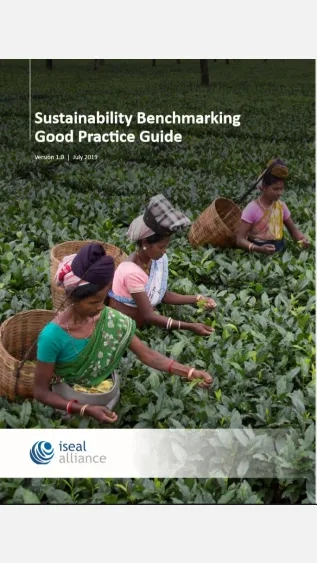
This publication aims to provide a framework and practical set of good practices for organisations and initiatives considering whether to carry out a benchmarking exercise or develop a benchmarking programme. Its overall goal is to create more consistency in, and strengthening of, sustainability benchmarking programmes so that they can effectively support better practices and faster transition to a more sustainable world.
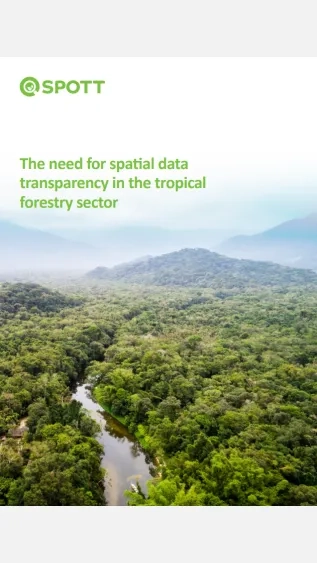
This report The need for spatial data transparency in the tropical forestry sector presents the case for spatial data disclosure by forestry companies. It provides guidance on the collection, disclosure and use of data and highlights the benefits of spatial data transparency to companies and wider stakeholders, including financial institutions and buying companies, who rely on accurate, consistent and transparent information to support their lending, investment and procurement decisions.
The Governing Infrastructure Regulators in Fragile Environments guide identifies 10 principles needed to establish a sound governance structure for an infrastructure regulator, and how they can be addressed in fragile contexts.