
This paper Options for a Carbon Pricing Reform shows that introducing carbon pricing in Germany requires taking a threefold perspective.
In line with the Central Bank of Hungary's Green Program launched in February 2019, the consultation document Green Finance in Hungary explores the opportunities and focus points of expanding the Hungarian green finance segment. It also identifies potential barriers to segment growth, and channels the views of market players and other stakeholders into the domestic public discourse within the broader realm of bank's efforts to help meet the Paris Climate Agreement's goals.
The manual Governing Infrastructure Regulators in Fragile Environments: Principles and implementation by the World Bank's purpose is to contribute to improvements in the quality of infrastructure regulation. It does so by identifying key principles for the governance of infrastructure regulators and by suggesting how these principles can be introduced successfully and maintained over time.
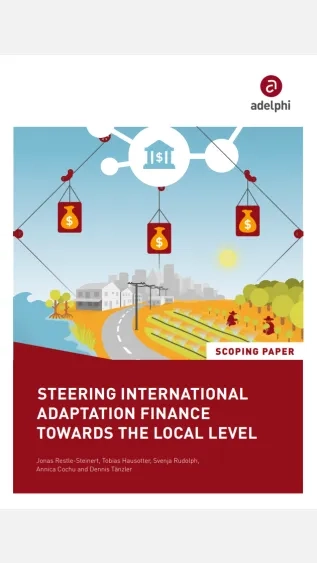
In this paper Steering International Adaptation Finance Towards the Local Level, several key challenges and potential solutions for channelling money from the international to the local level have been identified and analysed. The analysis sheds light on promising elements of so-called elevator functions (specific strategies or operating principles within programmes that aim to channel funding effectively through vertical administrative levels from the international to the local level where it is meant to unfold maximum impact) in existing financing mechanisms from different sectors that are potentially suitable for adaptation finance.
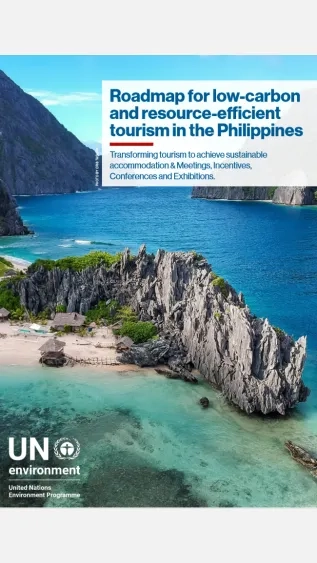
The "Roadmap for Low-Carbon and Resource-Efficient Tourism in the Philippines" is based on an analysis of the tourism value chain. This analysis covers the activities that happen within the hotels, restaurants and venues for meetings, incentives, conferences and exhibitions (MICE), but also the activities that supply them with energy and materials; for example food production, processing and associated waste arising.
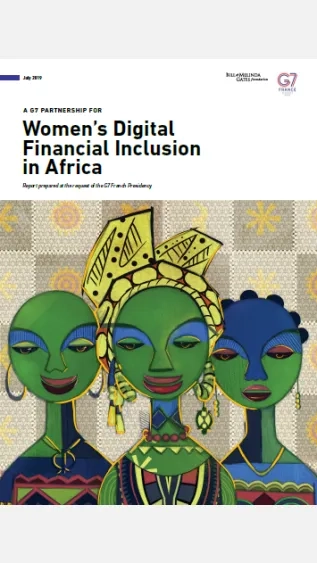
This report, Women's Digital Financial Inclusion in Africa is part of the G7 agenda to fight inequality. The G7 Partnership for Women's Digital Financial Inclusion in Africa will support African governments, central banks, and financial institutions in their efforts to build more inclusive, sustainable, and responsible digital financial systems.