
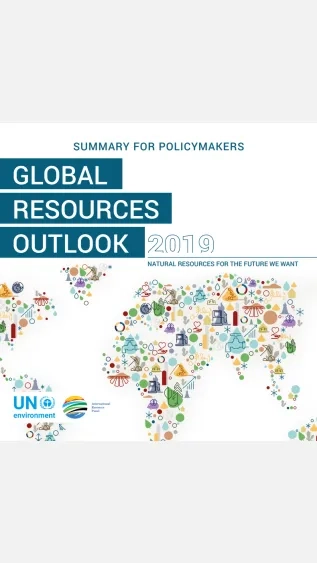
The Global Resources Outlook analyses the demographic and socioeconomic forces driving the extraction and use of natural resources globally and reports on how these drivers and pressures have determined our current state. It assesses the environmental and well-being impacts, and considers the distribution and intensity of the environmental and human health impacts resulting from the changing state of our environment. Finally, it recommends a set of appropriate policy responses.
This report provides a comprehensive view of practices and developments in the governance, implementation and performance of budgeting across OECD countries. It looks at recent practices such as the application of medium-term frameworks and the use of data and analytics to highlight the impacts of policies on concerns such as gender equality and the environment.
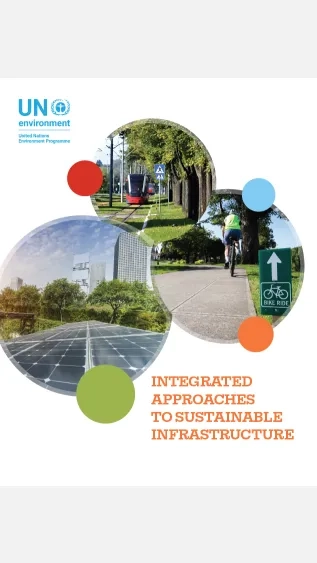
This paper Integrated Approaches to Sustainable Infrastructure details the results of an initial stocktaking on existing sustainable infrastructure initiatives, and argues for more integrated approaches to sustainable infrastructure in support of the 2030 Agenda for Sustainable Development.
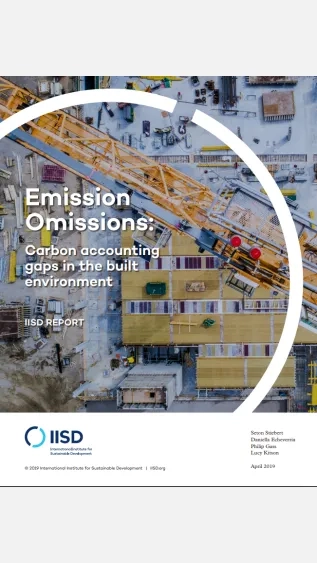
Life-cycle assessment (LCA) studies are the main tool used to measure the carbon footprints of building products at each phase of their cradle-to-grave lifespan (i.e. production, use, and end of life). While LCAs are the best-available tool for evaluating the greenhouse gas (GHG) performance of alternative building products and designs, policy makers and building designers should be aware there are also limitations, challenges, and uncertainties. Therefore, the purpose of this report is to identify:
This report Financing Climate Futures: Shifting the Lens - Interim Briefing is one part of the broader Financing Climate Futures initiative focusing on the identification of critical uncertainties posing constraints to aligning financial flows with climate objectives and in particular infrastructure investment.
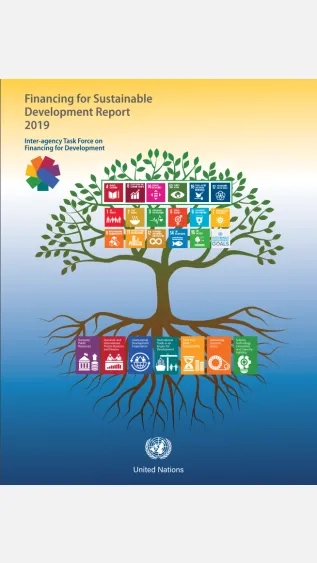
The 2019 Financing for Sustainable Development Report, the fourth report of the Inter-agency Task Force on Financing for Development, provides a comprehensive assessment of the state of sustainable finance, four years after the adoption of the Addis Ababa Action Agenda. The report warns that mobilizing sufficient financing remains a major challenge in implementing the 2030 Agenda for Sustainable Development. Despite signs of progress, investments that are critical to achieving the SDGs remain underfunded and parts of the multilateral system are under strain.