
Infrastructure worldwide has suffered from chronic under-investment for decades and currently makes up more than 60 percent of greenhouse gas (GHG) emissions. A deep transformation of existing infrastructure systems is needed for both climate and development—one that includes systemic conceptual and behavioural changes in the ways in which we manage and govern our societies and economies.
This report, Business Models for the Circular Economy: Opportunities and challenges for policy, presents a typology of five circular business models that could support the transition to a more resource efficient and circular economy: circular supply, resource recovery, product life extension, sharing, and product service system models. It also reviews the current market penetration and assesses the potential scalability of each business model, and provides a broad set of policy approaches that could help alleviate some of the barriers that currently hinder the widespread adoption of circular business models.
This paper, Infrastructure for Sustainable Development, analyses the role of infrastructure in directly and indirectly impacting progress on achieving the Sustainable Development Goals (SDGs), and provides evidence of both the threat and opportunity infrastructure presents to reaching the global goals.
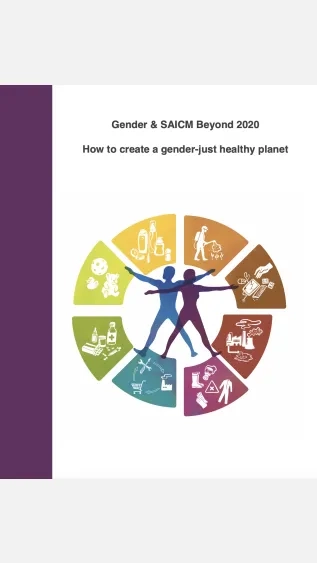
This publication aims to integrate gender into global chemicals policy and enhance the role of women’s groups and gender experts in UN chemical safety processes.
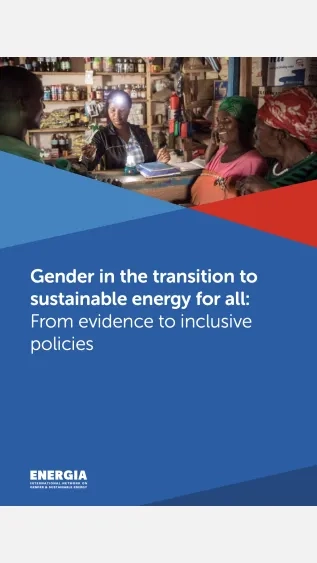
This report provides a synthesis of the results of a five-year research project implemented by ENERGIA to provide evidence and analysis of the interactions between energy, access and gender.
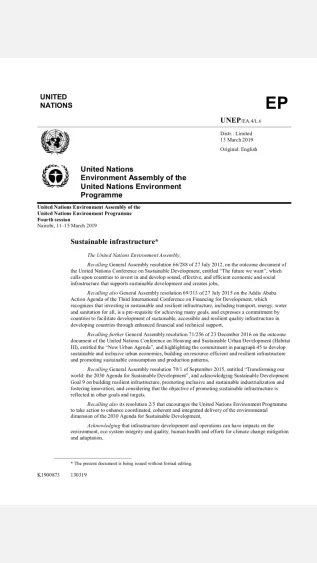
This resource details the United Nations Environment Assembly resolution on Sustainable Infrastructure from March 2019.