
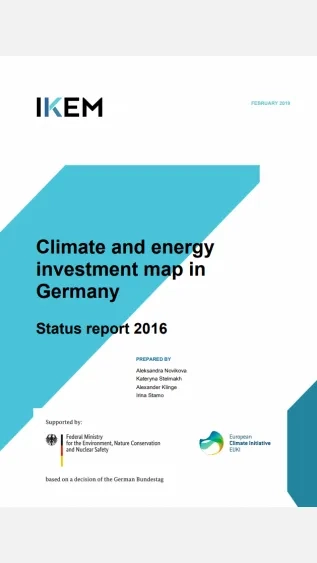
This report Climate and energy investment map in Germany: Status report 2016 presents a map illustrating the volume of climate and energy investment flows – from the financing sources, through the intermediaries and financial instruments, to the recipient sectors (i.e. agriculture, buildings, energy, industry, and transport sectors).
This paper demonstrates that recent model simulations show that a well-designed shift in production and consumption to make the former sustainable and align the latter with recommended values can curb these considerably and generate large macroeconomic gains.
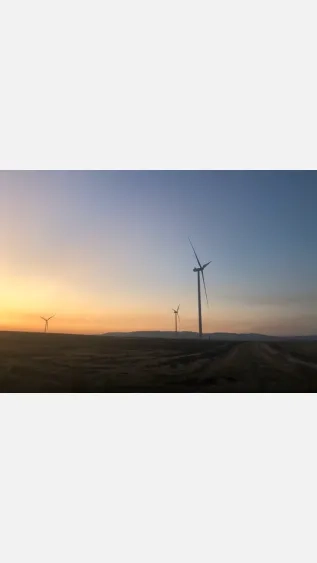
The Hong Kong Green Bond Market Briefing 2018 provides an overview of the booming market bolstered by policy support and incentives and growing momentum from the private sector. It examines a range of green bond deals from domestic issuers and also analyses emerging market dynamics from a broader perspective. The Climate Bonds Initiative's first Hong Kong Briefing Paper was produced in partnership with HSBC, and supported by the Hong Kong Monetary Authority (HKMA) and the Hong Kong Green Finance Association.
This report, Fiscal Policies for Development and Climate Action, a World Bank report developed in collaboration with UNIDO, informs the dialogue on the evolving role of macro-fiscal management in the context of a changing climate and warming world. The report also aims to better equip finance ministries in developing countries with the tools to understand, appraise, and implement Environmental Tax Reform (ETR) policies and climate change adaptation and risk-management strategies.
Major opportunities for climate mitigation and adaptation lie in the shift to climate-smart infrastructure. This report looks at how digital finance technologies, or fintech, can engage citizens as consumers, pension holding investors, co-producers and voters to be a driving force for raising finance for low carbon, climate-resilient infrastructure development.
This issue brief Shades of Green: An introduction to the Green Economy for Parliamentarians aims to provide parliamentarians with a basic understanding of the green economy and of the policies required to transition toward it.