
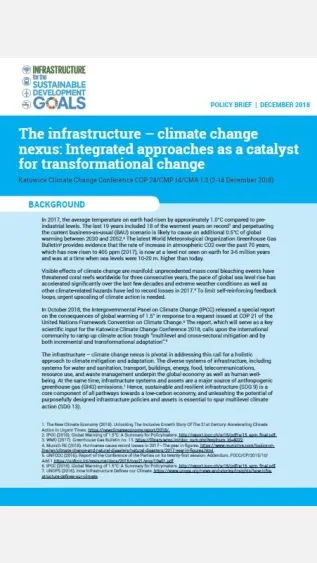
This policy brief, The Infrastructure And Climate Change Nexus: Integrated approaches as a catalyst for transformational change, explores interlinkages between climate change mitigation and adaptation, and diverse forms of infrastructure. Given that infrastructure in every sector has climate implications, the brief raises awareness about the need for an integrated approach to the planning and development of resilient, low-carbon infrastructure assets to achieve the targets enshrined in the Paris Agreement and to boost climate-smart growth.
The Yearbook of Global Climate Action 2018 provides an overview of the major events, initiatives and reports of the past year and reviews progress achieved.
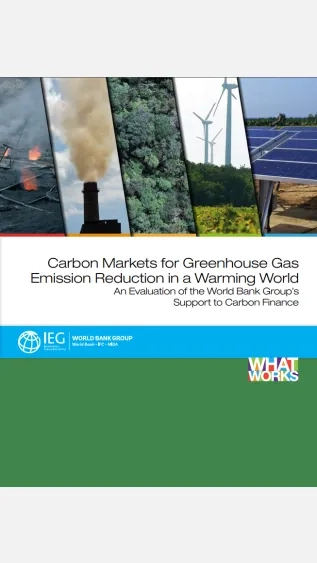
This report, Carbon Markets for Greenhouse Gas Emission Reduction in a Warming World: An evaluation of the World Bank group’s support to carbon finance, evaluates the World Bank Group's role and contributions to carbon finance. It provides an overview of carbon markets, the changing dynamics the markets are operating within, and Bank Group's perspective on the future of carbon financing.
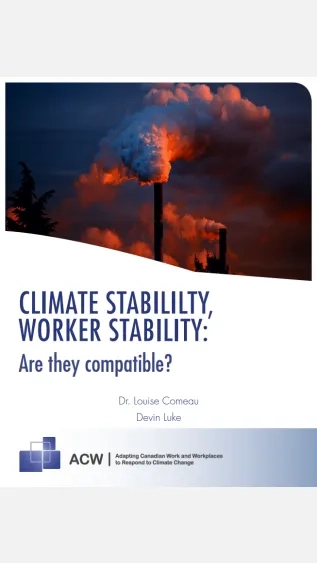
This working paper, Climate Stability, Worker Stability: Are they compatible?, addresses the dilemma inherent within a low-carbon transition. The transition away from fossil fuels is a necessary part of climate change mitigation, yet that entails losing traditional energy sector jobs. How can this be done justly and what role, if any, do broader societal trends have in this discussion?
This report, Soil and Nutrients Loss in Malawi: An economic assessment, analyses the economic impact of both soil and nutrient loss in Malawi with new country representative data on soil and nutrients loss.
This policy brief, Impact of Soil Loss in Malawi: Microeconomic effects of soil and nutrient loss, addresses the suitability and financial viability of various interventions to mitigate the impacts of both soil and nutrient loss within Malawi.